10 September, 2026
Two synthetic leather materials can share the same color and base polymer yet create very different products. The finish changes how the surface looks, feels, reflects light, and shows daily wear.
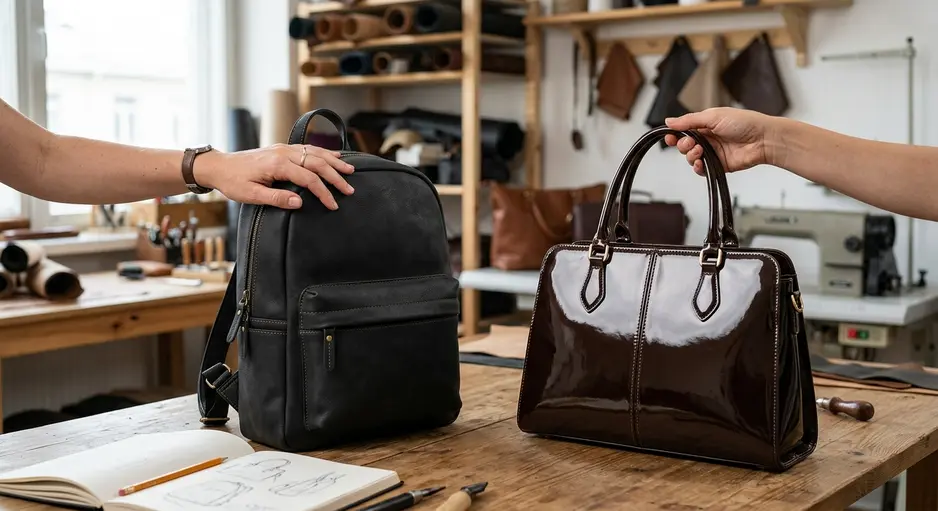
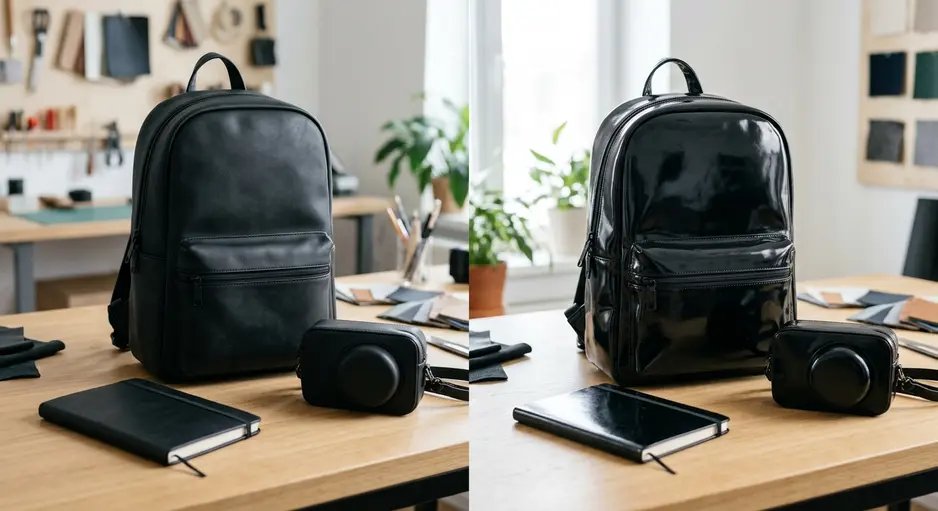
Matte synthetic leather has a soft, low-reflection look. Glossy synthetic leather offers a polished surface with more visual impact. However, appearance should not be the only deciding factor.
A useful matte vs glossy synthetic leather comparison must also consider abrasion, cleaning, flexibility, UV exposure, lighting, cost, and brand style. This guide explains those factors so you can choose the right finish for furniture, automotive interiors, footwear, bags, and other products.
What Creates Matte and Glossy Synthetic Leather?
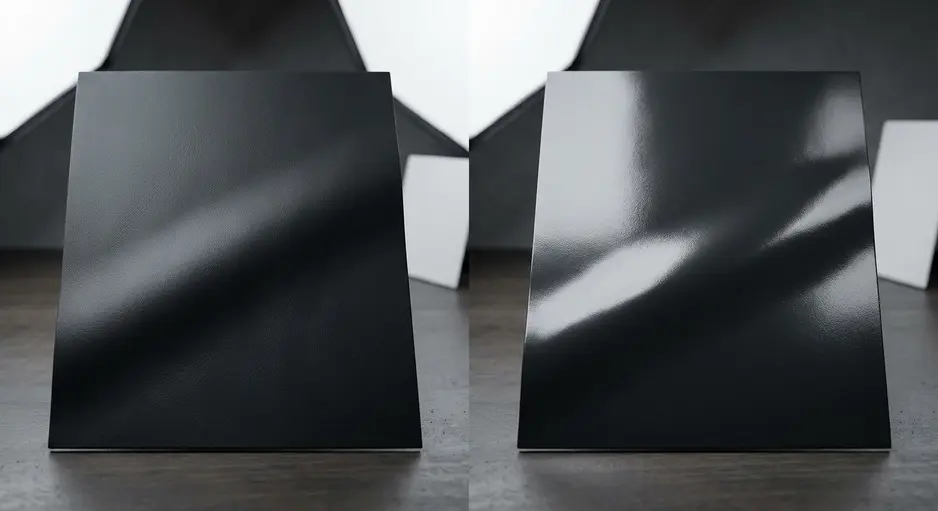
Synthetic leather usually has several layers. These may include a textile backing, polymer coating, color layer, grain pattern, and protective topcoat. Changes to the topcoat and surface texture create different levels of sheen.
PU Leather Material and PVC Leather Fabric
PU leather material is often chosen for its soft touch, flexibility, and natural drape. PVC leather fabric may be preferred for water resistance, durability, and cost-sensitive applications. The final performance depends on the complete formulation and construction.
Both PU and PVC can have matte, satin, semi-gloss, or high-gloss finishes. A material should not be judged by its polymer type or sheen alone. The backing, coating thickness, topcoat, and intended use all matter.
How Texture and Topcoats Affect Sheen
A smooth surface reflects light more evenly and often looks glossier. Deep embossing scatters light, which can create a softer appearance. This is why embossed synthetic leather and textured faux leather may look less reflective than smooth synthetic leather.
Coating formulas, curing conditions, and embossing depth also affect the leatherette finish. Manufacturers can measure sheen with a gloss meter under standards such as ISO 2813 or ASTM D523. Textured materials require controlled testing because grain direction can affect the reading.
Faux Leather vs Genuine Leather Finishes
Both genuine and synthetic leather can be matte or glossy. A shiny surface does not prove that a material is synthetic, and a low-sheen finish does not prove that it is genuine. Finish is mainly a design and performance choice, not a test of authenticity.
Matte vs Glossy Synthetic Leather Comparison
- Appearance: Matte looks soft, modern, and understated. Glossy looks polished, bold, and reflective.
- Touch: Matte surfaces often feel dry or natural. Glossy surfaces tend to feel smoother or slicker.
- Scratch visibility: Fine marks may be less obvious on matte material. A high-gloss finish can make scratches easier to see.
- Cleaning: Smooth glossy surfaces are often simple to wipe. Deep matte grains may hold dust or dirt.
- Glare: Matte material controls reflections. Glossy material can create glare under bright lighting.
- Brand style: Matte supports natural, minimalist, and professional products. Glossy suits glamorous, sporty, or fashion-led designs.
- Maintenance: Matte may hide fingerprints, while glossy material may need frequent wiping to maintain its polished look.
- Performance: Durability depends on test specifications rather than sheen.
Which Is Better: Matte or Glossy Synthetic Leather?
Neither finish is better for every product. Matte material is often the stronger choice when glare control, subtle styling, and reduced fingerprint visibility are important. Glossy material works well when vivid color, shelf appeal, and a smooth wipe-clean surface are priorities.
For demanding products, confirm abrasion, hydrolysis, chemical, and UV performance before selecting a finish. A visual sample alone cannot show how the material will perform after repeated use.
Does Finish Determine Durability?
No. Matte does not automatically mean scratch-resistant synthetic leather. It may simply hide a fine scratch better because it reflects less light. This is different from resisting the scratch in the first place.
Premium synthetic leather should be evaluated through test reports and prototype testing. A well-formulated glossy topcoat can be highly durable, while a poor matte coating may crack, peel, or stain early.
Benefits and Applications of Matte Synthetic Leather
Why Designers Choose Matte PU Leather
The benefits of matte synthetic leather begin with its calm, low-glare appearance. It often looks closer to natural leather and works well with neutral colors, clean lines, and minimalist product designs.
Fingerprints and light handling marks may be less visible on matte PU leather. This can help products maintain an even look during daily use. Still, very deep texture can trap soil, so appearance should be balanced with cleanability.
Best Matte Synthetic Leather Applications
- Automotive dashboards, door panels, and seat inserts
- Sofas, office chairs, restaurant booths, and headboards
- Handbags, wallets, footwear, and watch straps
- Apparel panels and lifestyle accessories
- Electronics cases and presentation boxes
Matte faux leather is useful in automotive areas where reflections could distract the driver. Any automotive upholstery leather must also meet the required standards for abrasion, odor, fogging, flammability, and light exposure.
Example: High-Traffic Seating
A restaurant booth can benefit from a matte leatherette finish because it looks understated and may hide minor handling marks. Yet a heavy grain could hold crumbs or grease. A cleanable texture with a stain-resistant topcoat is the safer choice for this setting.
Benefits and Applications of Glossy Synthetic Leather
Why Brands Use Glossy PU Leather
Glossy PU leather creates a bold and polished appearance. It can make saturated colors look brighter and help fashion products stand out in stores, marketing displays, and product photography.
Smooth glossy faux leather is often easy to wipe. However, oils, fingerprints, and cleaning streaks can be more visible. The surface may require more frequent care to preserve its high-impact look.
Common Glossy Synthetic Leather Applications
- Fashion footwear and statement handbags
- Belts, wallets, and costume accessories
- Accent chairs and decorative cushions
- Retail fixtures, event décor, and stagewear
- Automotive accent panels where glare is controlled
The applications of glossy synthetic leather tend to focus on visual impact. It is especially useful for decorative details that do not cover a large surface area.
Example: Fashion Accessories
A glossy faux leather handbag can have stronger shelf appeal than the same design in a low-sheen finish. Before production, buyers should test crease whitening, color transfer, flex resistance, and scratches. Handles and corners may need a more durable protective topcoat.
How to Choose the Right Synthetic Leather Finish
Start With the Product Environment
Answer the following questions before comparing colors and textures:
- Will the product be used indoors or outdoors?
- Will it receive direct sunlight or strong artificial light?
- Will it contact sweat, oils, food, cleaners, or disinfectants?
- Will the material flex repeatedly or remain fixed?
- Could surface glare affect safety or comfort?
- How often will the product need cleaning?
A waterproof synthetic leather coating may resist surface moisture, but that does not make the final product waterproof. Water can enter through seams, edges, perforations, and exposed backing.
Match the Finish to Your Brand
Matte finishes suggest natural, understated, and professional styling. Glossy finishes feel bold, glamorous, sporty, or theatrical. Satin and semi-gloss surfaces offer a practical middle ground when full gloss feels too bright.
Use a Weighted Selection Scorecard
Score each sample from one to five for appearance, touch, flexibility, scratch visibility, stain removal, abrasion, UV stability, cleaning compatibility, cost, and minimum order quantity.
Give technical performance more weight than appearance for automotive interiors, contract furniture, and other demanding uses. UV-resistant faux leather is especially important near windows or in vehicles, but the claim should be supported by test data.
Test Samples Under Real Conditions
- View samples in daylight, warm indoor light, and retail lighting.
- Bend, crease, and rub each material.
- Test an approved cleaner in a hidden area.
- Build a small prototype before placing a bulk order.
- Review samples over several days instead of making an instant choice.
Performance Specifications Buyers Should Verify
Abrasion, Flexing, and Scratch Resistance
Ask for abrasion and repeated-flex test results. ISO 5470-1 and ASTM D3884 cover relevant abrasion methods for coated materials. ISO 7854 addresses flex resistance for rubber- or plastics-coated fabrics.
Check test samples for cracking, peeling, whitening, and delamination. If a supplier describes the material as scratch resistant, request evidence that supports the claim under conditions related to your product.
Application-Specific Requirements
Furniture upholstery material may need fire, cleanability, seam-strength, and rub-performance tests. Footwear materials should be checked for flexing, hydrolysis, peel strength, and color transfer.
Automotive materials may require OEM-specific tests for odor, fogging, abrasion, flammability, and UV exposure. Buyers should also request applicable chemical compliance documents, including EU REACH information when needed.
Water, UV, and Chemical Resistance
For outdoor, automotive, or window-side use, ask for light and colorfastness data. ISO 105-B02 is relevant to artificial light exposure, while ISO 1419 covers accelerated ageing tests for coated fabrics.
Also verify resistance to the cleaners used in the final setting. A coating that handles mild soap may react poorly to alcohol, bleach, disinfectants, or strong solvents. Follow the approved care instructions for each material.
How to Evaluate a Manufacturer or Supplier
Questions for a Synthetic Leather Manufacturer
- What are the coating composition and backing details?
- What are the thickness, weight, width, and usable roll width?
- What color and gloss tolerances apply between production lots?
- Are abrasion, flex, UV, hydrolysis, and adhesion results available?
- Which market-specific compliance documents can be supplied?
- What are the sampling terms, minimum order, capacity, and lead time?
- Are custom colors, embossing, grains, and topcoats available?
Choosing a Glossy Synthetic Leather Supplier
Request production-grade samples rather than relying on digital photos. Inspect glossy material for pinholes, roller marks, uneven coating, and inconsistent sheen. Packaging should also prevent surface rubbing during storage and shipment.
Working With an Export Supplier
When assessing a matte synthetic leather exporter worldwide, verify export documentation, lot traceability, quality checks, and the process for handling variations. The approved sample should define expectations for color, texture, touch, and gloss.
Buyers can contact Rock Uniquoters to discuss matte and glossy options based on the intended substrate, color, finish, application, testing needs, and order requirements.
Explore Matte & Glossy Synthetic Leather
Choose the Finish That Fits the Product
Choose matte synthetic leather for subtle styling, low glare, and reduced fingerprint visibility. Select a glossy finish when bold color, visual impact, and smooth wipe-clean appeal are the main goals.
In either case, compare technical specifications rather than finish alone. Request representative samples, build a prototype, and test the material in its intended environment. Contact Rock Uniquoters to discuss options for upholstery, automotive interiors, footwear, bags, and custom product applications.
Frequently Asked Questions
1. Is matte or glossy synthetic leather more durable?
Neither is inherently more durable. Service life depends on the polymer, backing, topcoat, adhesion, abrasion resistance, flex performance, and exposure conditions.
2. Does matte synthetic leather scratch easily?
It can scratch, but low reflection and texture may make fine marks less visible. Request abrasion and scratch test results rather than judging resistance by appearance.
3. Is glossy synthetic leather waterproof?
The coated surface may be highly water resistant. The finished product is not always waterproof because seams, holes, edges, and backing can allow water to enter.
4. Is matte PU leather better for furniture?
It is often a good choice due to its low glare and contemporary look. High-traffic furniture still needs suitable abrasion, stain, flex, seam, and fire-performance specifications.
5. Is glossy faux leather easy to clean?
Smooth glossy material is often easy to wipe, but fingerprints and streaks may show. Use only cleaners approved for the specific coating.