
09 December, 2025

Leather is a timeless material stylish, durable, and capable of lasting for decades. But even the highest-quality leather products can crack, fade, or lose their shape if they’re not stored correctly. Many people unknowingly damage their leather items simply because they don’t follow proper storage methods.
In this guide, we’ll walk you through expert-approved ways to store leather safely, prevent moisture damage, protect the natural texture, and extend the lifespan of every leather item you own from a leather bag to a men's leather wallet. As recommended by specialists at Rock Uniquoters, proper care starts with proper storage.
What Happens When Leather Products Are Stored Incorrectly?
Even premium leather is sensitive to temperature, moisture, sunlight, and pressure. Incorrect storage can lead to:
-
Cracking due to dryness or direct heat
-
Mold growth from moisture-prone areas
-
Color fading caused by sunlight exposure
-
Deformation of items like leather handbags or a leather backpack
-
Stiffness when leather loses its natural oils
These issues reduce the life of your leather items and make them look older long before their time.
What Is the Best Way to Store Leather Products at Home?
Storing leather correctly doesn’t require expensive equipment just smart habits and the right environment.
-
Maintain a cool, dry place (around 40–55% humidity).
-
Keep leather away from direct heat and sunlight.
-
Avoid airtight containers, which trap moisture.
-
Use breathable fabric covers or cotton dust bags.
This helps leather breathe naturally and prevents mold or cracks.
Step-by-Step Guide to Storing Different Leather Items
1. Leather Bags, Leather Tote Bags & Leather Handbags
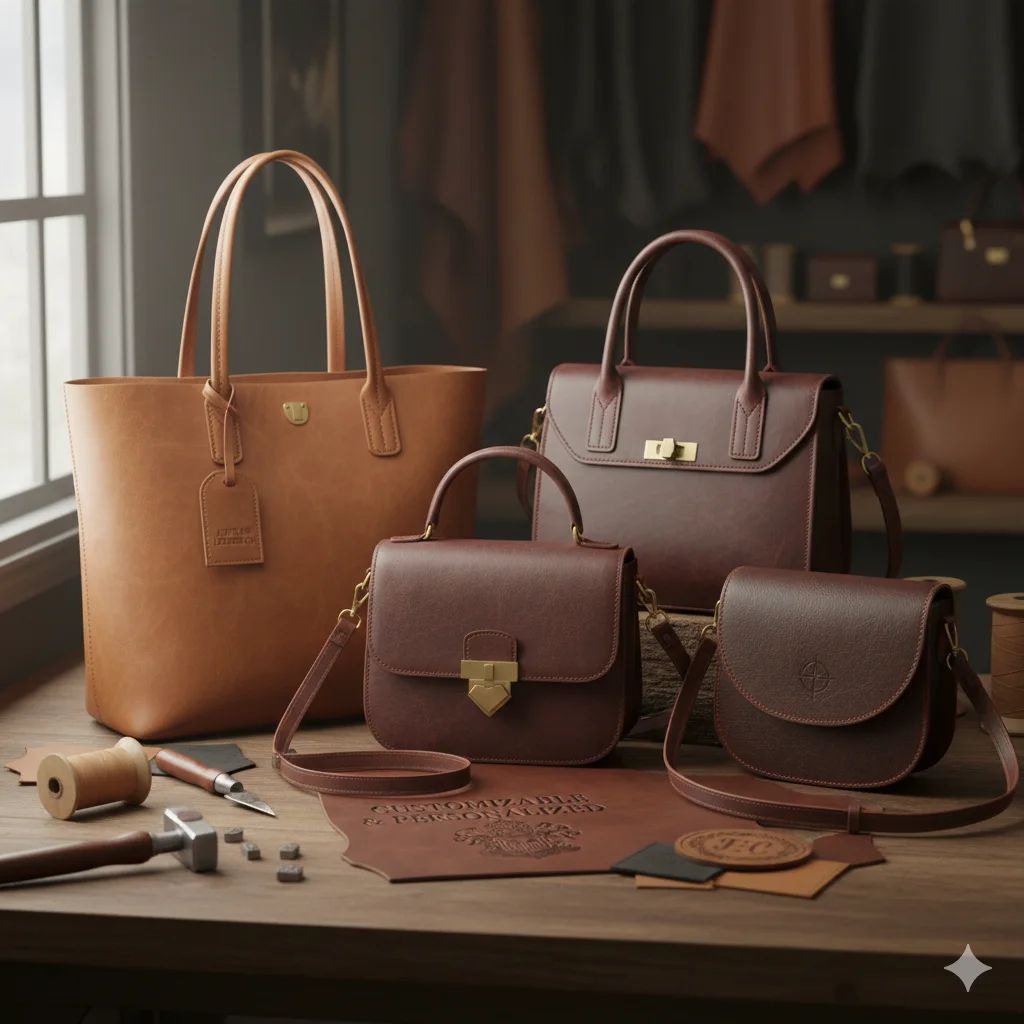
These items often lose their shape if kept empty or stored improperly.
Best Practices:
-
Stuff the inside with butter paper, clean cotton cloth, or soft fillers.
-
Avoid newspapers because ink transfers to the lining.
-
Store bags inside breathable dust bags.
-
Keep them upright on a shelf do not stack.
This prevents creasing and maintains the bag’s original silhouette.
2. Leather Backpacks & Black Leather Backpacks
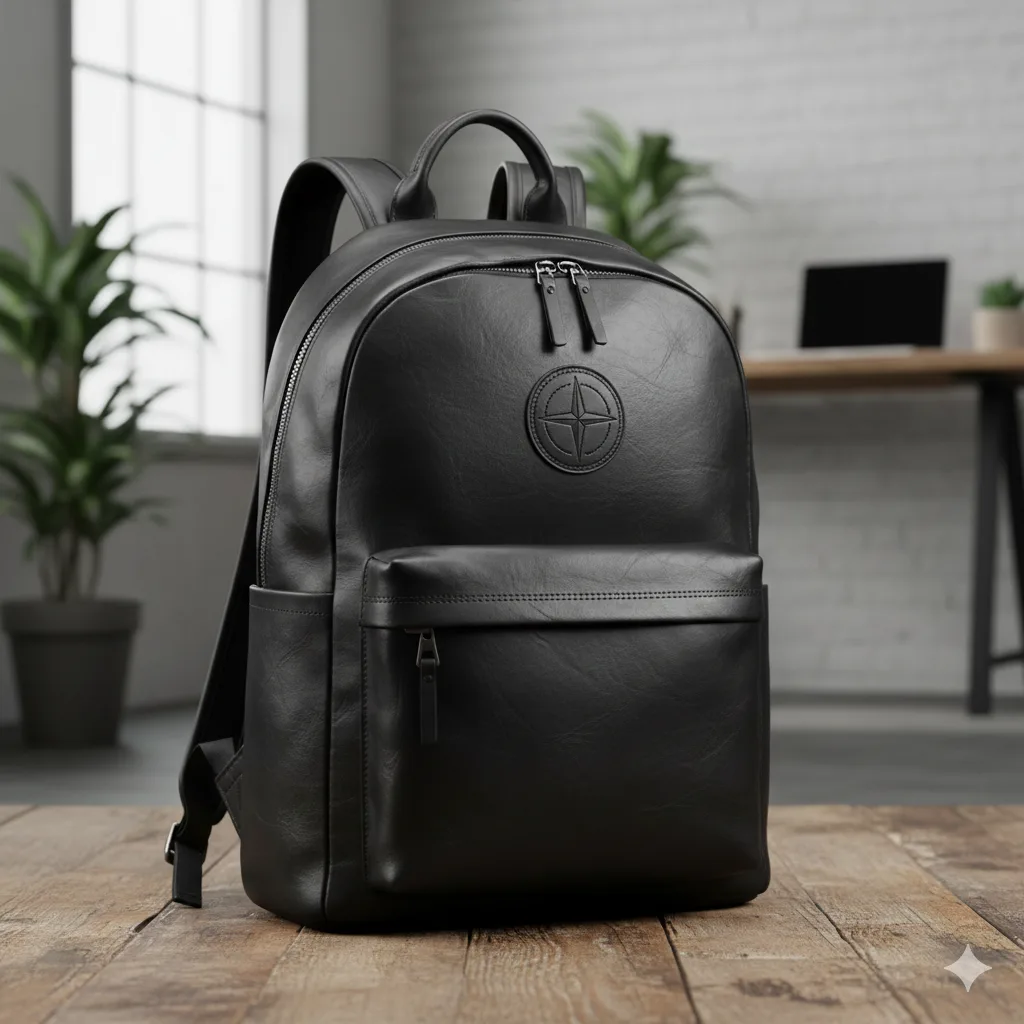
Backpacks often sag or wrinkle due to poor support.
Storage Tips:
-
Do not hang leather backpacks for long periods; it stretches the straps.
-
Keep them upright with light stuffing.
-
Use shelves with good air circulation.
A black leather backpack is especially prone to fading limiting sunlight exposure is key.
3. Mens Leather Wallet & Leather Purse
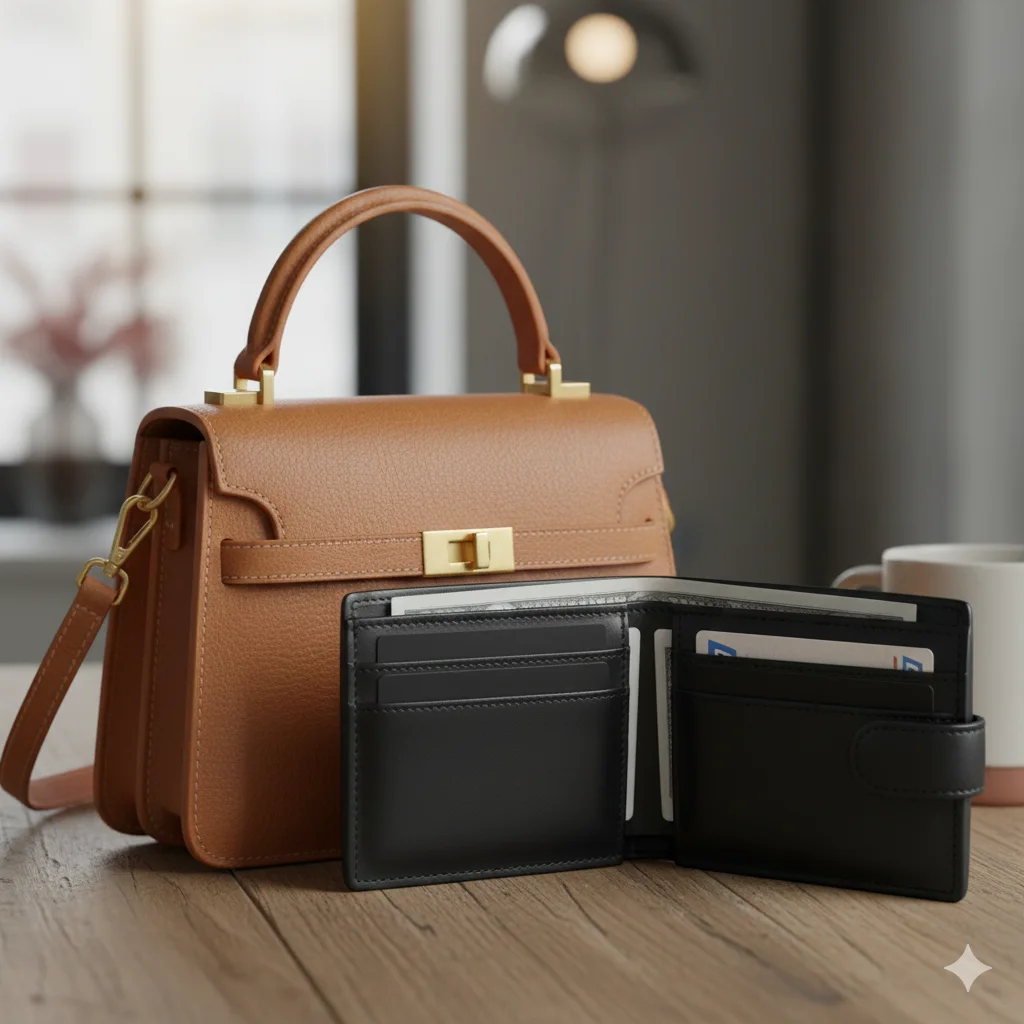
Wallets and purses may seem low-maintenance, but they age quickly without care.
Proper Storage:
-
Store in small cloth pouches, not plastic.
-
Keep them away from heavy objects that could flatten or deform them.
-
Add a soft cotton layer if storing for months.
These steps help preserve their stitching and texture.
4. Leather Crossbody Bags & Leather Laptop Bags
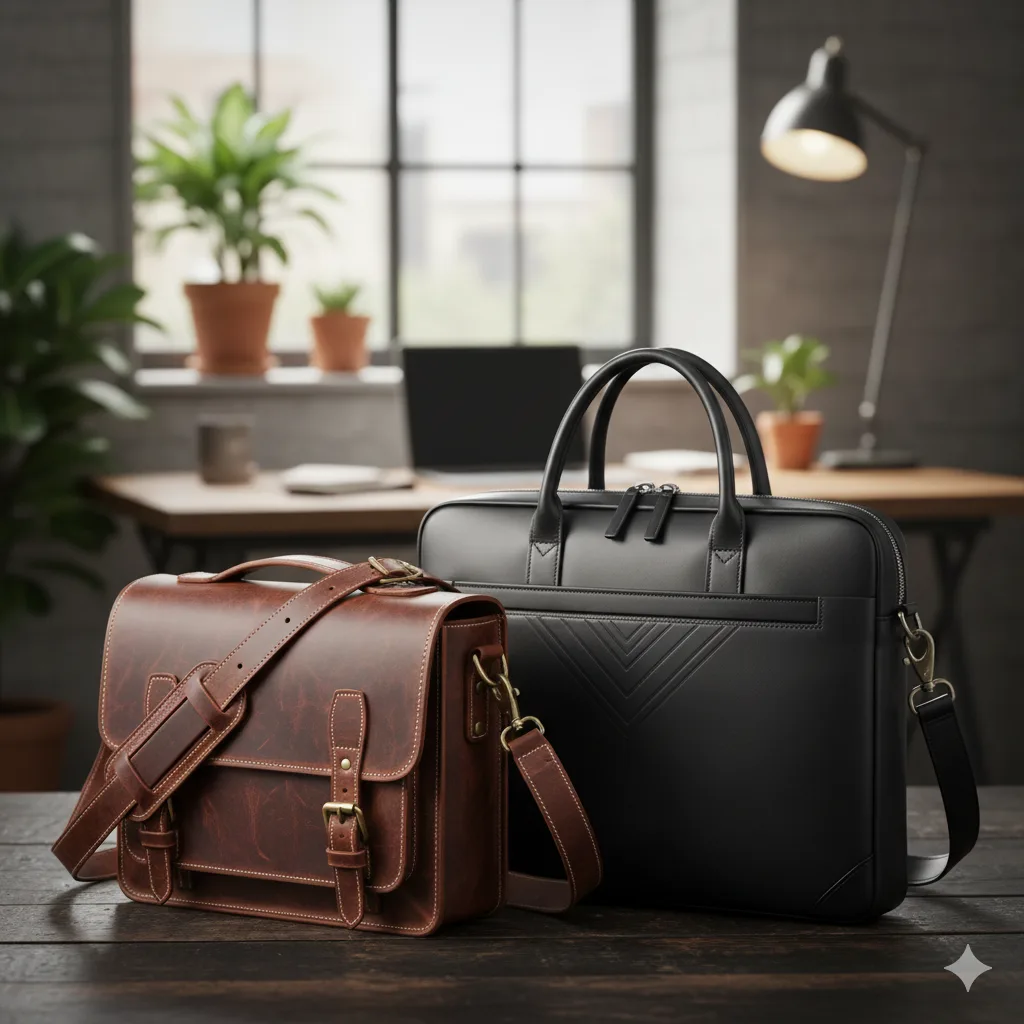
These items often hold weight, making shape retention important.
Storage Guidance:
-
Use minimal stuffing to support structure.
-
Keep straps loose, not tightly folded.
-
Avoid stacking under heavier bags.
This prevents the leather from warping or forming permanent creases.
5. Leather Gloves & Leather Belts
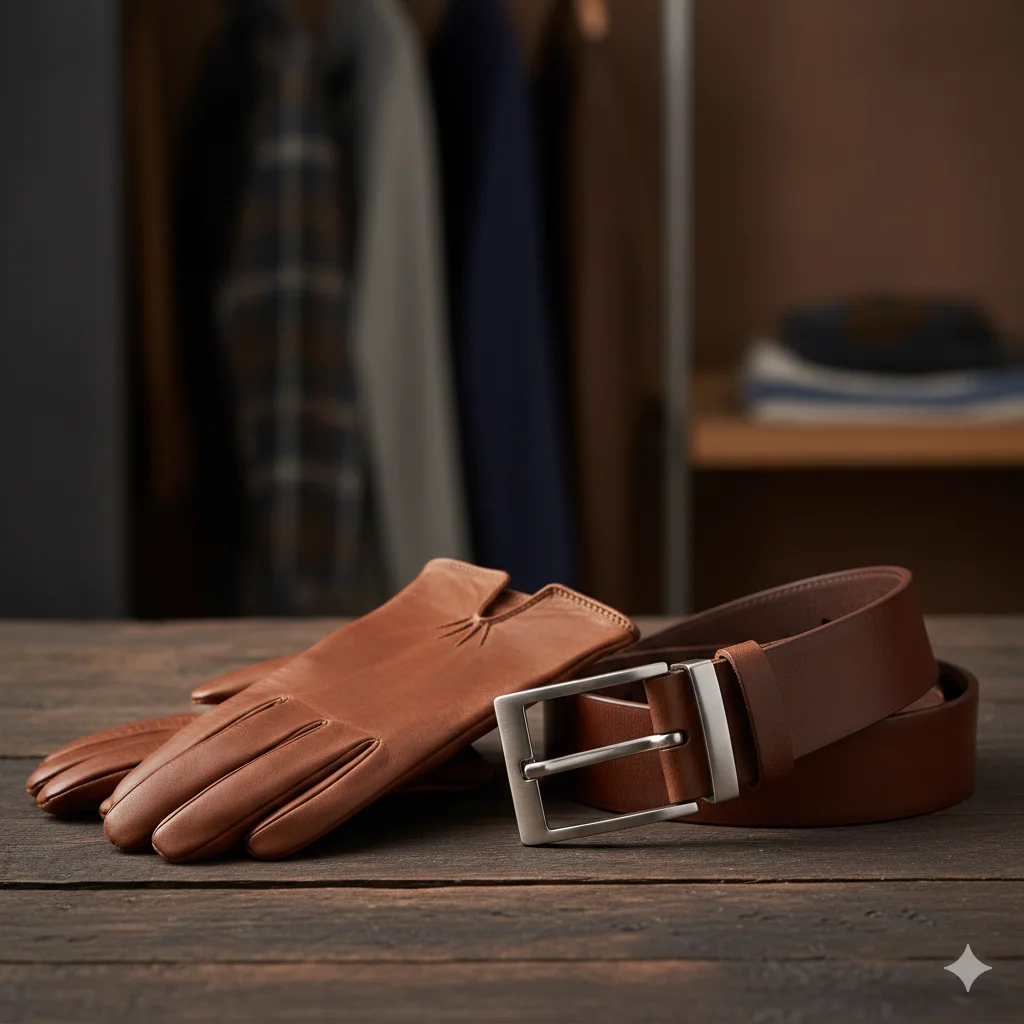
Gloves and belts often dry out or crack due to temperature changes.
For Gloves:
-
Store flat and avoid squeezing them into tight spaces.
-
Condition lightly before long-term storage.
For Belts:
-
Either gently roll them or hang using a belt hanger.
-
Avoid overly tight rolls they stress the leather fibers.
Should Leather Products Be Stored in Plastic?
No. Plastic is one of the worst materials for storing leather.
Here’s why:
-
It traps moisture, encouraging mold.
-
It prevents ventilation, making leather stiff.
-
It can cause odors due to lack of airflow.
Instead, use cotton bags, muslin cloth, or breathable covers.
How to Protect Leather Products from Moisture and Mold?
Moisture is the biggest enemy of leather. To prevent mold:
-
Place silica gel packets inside bags and wallets.
-
Ensure the leather is completely dry before storing.
-
Keep the storage space ventilated not cramped or damp.
-
Wipe leather with a soft cloth every few months.
If you live in a humid region, using a small dehumidifier in the wardrobe can be a game-changer.
How Often Should You Condition Leather?
Most leather items should be conditioned every 3–5 months. Conditioning helps:
-
Restore natural oils
-
Prevent cracks
-
Maintain suppleness
-
Extend overall lifespan
Avoid over-conditioning you only need a thin, even layer.
Storing Genuine Leather vs. Synthetic Leather, Faux Leather & PVC Leather
Different materials require different care:
Genuine Leather
-
Needs ventilation
-
Sensitive to moisture
-
Requires conditioning
-
Should not be stored in plastic
Synthetic Leather / Faux Leather / Faux Synthetic Leather
-
Less breathable
-
Not as moisture-sensitive
-
Does not require conditioning
-
Can crack if exposed to high heat
PVC Leather
-
More durable but can warp in heat
-
Should be kept away from sunlight
-
Easy to wipe and store
Understanding the material helps you provide the right care not all storage methods fit every leather type.
Common Mistakes People Make While Storing Leather Products
Most leather products degrade not due to age but due to improper storage. Avoid these errors:
-
Using plastic bags or sealed boxes
-
Leaving leather items in sunlight
-
Storing damp or unclean leather
-
Hanging heavy leather bags by the handles
-
Stacking bags or wallets under pressure
-
Keeping items near heaters or radiators
-
Overfilling bags before storing
Correcting these habits ensures your leather stays beautiful for years.
Seasonal or Long-Term Storage Tips
If you plan to store leather items for months:
-
Clean and condition the leather beforehand.
-
Keep silica gel packets inside bags, wallets, and purses.
-
Stuff bags lightly to retain shape.
-
Avoid overcrowding shelves.
-
Check items every 2–3 months.
-
Maintain steady humidity levels in the room.
Long-term care is essential for luxury leather handbags, leather laptop bags, and leather tote bags.
How to Store Leather Products Safely During Travel?
Travel exposes leather to friction, moisture, and pressure. Use these tips:
-
Pack them in soft dust bags, not plastic.
-
Keep them upright inside luggage.
-
Avoid overpacking pressure causes wrinkles.
-
Keep leather items away from liquids.
When returning from a trip, let the leather air out before placing it back on the shelf.
Conclusion
Storing leather correctly is the key to ensuring it remains elegant, durable, and long-lasting. Whether it’s a leather backpack, leather tote bag, or mens leather wallet, each piece benefits from proper care and a breathable storage environment. By maintaining the right humidity, avoiding plastic, and conditioning regularly, you can extend the lifespan of your leather products significantly.
For those who value quality craftsmanship and long-term durability, following expert guidance as practiced at Rock Uniquoters helps keep your leather items in perfect shape for years to come.
FAQs
1. How long can leather products last if stored properly?
High-quality leather products can last 10–20 years or even longer when stored correctly. Keeping them in a cool, dry place and avoiding plastic storage helps prevent cracks, mold, and shape loss.
2. Can I store a leather bag or leather backpack in its original box?
Yes but only if the box is not airtight. Place the leather bag inside the box using cotton dust bags, leave slight ventilation, and avoid sealing the lid completely to prevent moisture build-up.
3. How do I prevent my leather handbags or leather wallet from developing odors?
Keep them in breathable covers, add silica gel packets, and ensure they are fully dry before storage. Avoid storing leather in damp wardrobes or plastic bags, which can trap odors.
4. Do synthetic leather or faux leather products need the same storage care as genuine leather?
Not exactly. Synthetic leather, faux leather, and PVC leather are less sensitive to moisture but can still crack under heat or get deformed. They don’t need conditioning, but they still require cool, shaded, and breathable storage for long-term durability.