
04 February, 2026
The global demand for synthetic leather is growing rapidly across automotive, furniture, fashion, and industrial sectors. However, the process of synthetic leather export is not as simple as manufacturing and shipping products overseas. Logistics, compliance, packaging, and transportation play a major role in ensuring materials reach buyers safely and on time. Even small disruptions in shipping can lead to delays, cost overruns, or quality issues. Understanding these challenges helps exporters and buyers make better, more informed decisions.
Understanding the Synthetic Leather Export Supply Chain
From Manufacturing to Global Markets
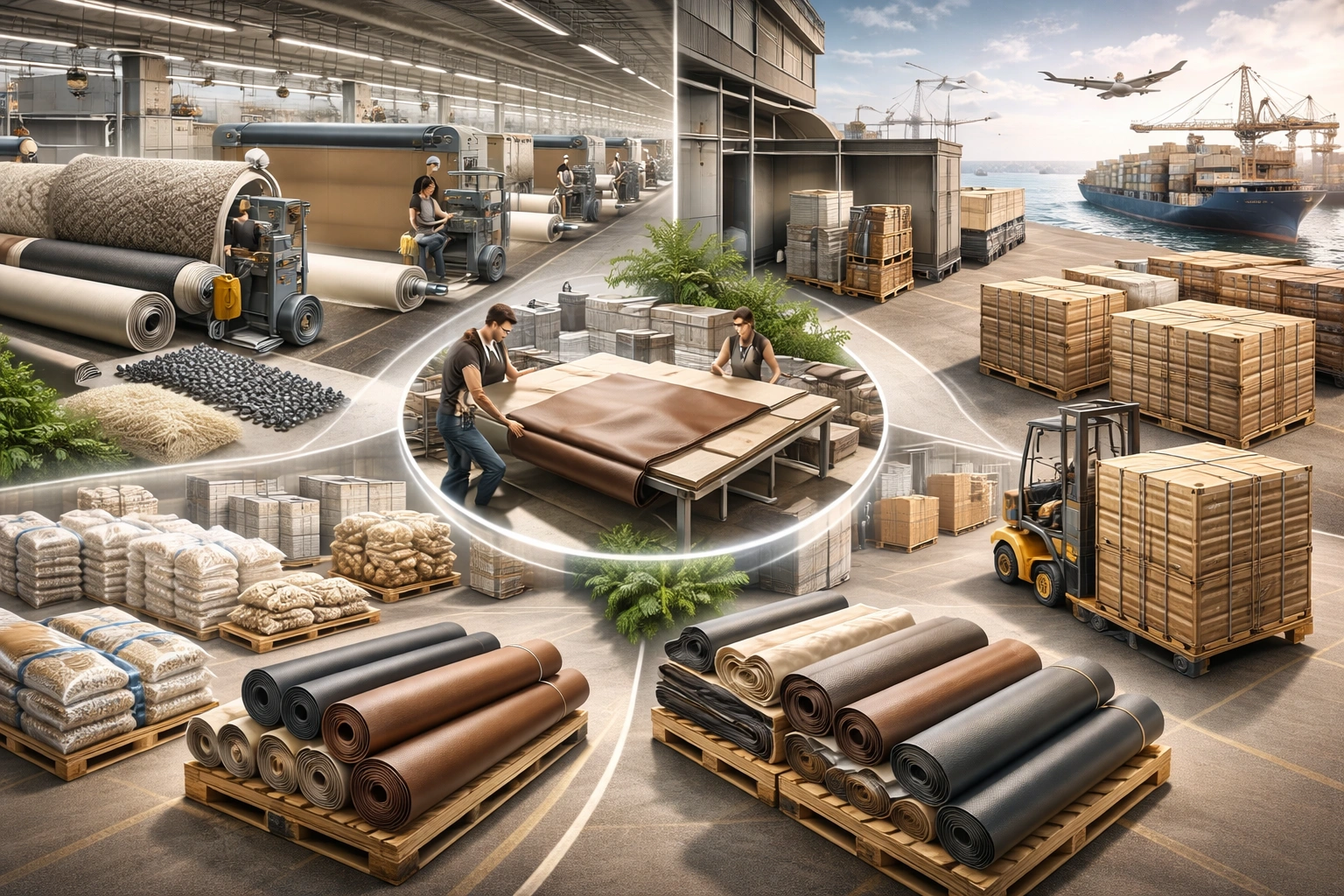
The export journey begins long before the shipment leaves the port. Synthetic leather passes through several stages, each impacting logistics planning.
-
Procurement of base fabrics and polymers
-
Coating, embossing, and finishing processes
-
Quality inspection and batch approvals
-
Packaging, labeling, and palletizing
-
Transportation to ports or airports
Each step must align with export timelines to avoid bottlenecks later.
Key Stakeholders in Synthetic Leather Logistics
Export logistics involves coordination between multiple parties:
-
Freight forwarders and logistics agents
-
Shipping lines and cargo handlers
-
Customs and regulatory authorities
-
Overseas importers and distributors
Smooth communication among these stakeholders reduces errors and delays.
Major Logistics & Shipping Challenges in Synthetic Leather Export
High Transportation Costs
Shipping synthetic leather internationally can be expensive, especially for bulk orders.
Key cost drivers include:
-
Fluctuating fuel prices
-
Limited container availability
-
Long transit routes for global markets
These factors can significantly affect export pricing and profit margins.
Customs Clearance & Regulatory Compliance
Exporting synthetic leather requires strict documentation and compliance.
Common challenges include:
-
Incorrect HS code classification
-
Incomplete export paperwork
-
Delays due to customs inspections
Each destination country has different import rules, making compliance complex.
Packaging & Material Handling Issues
Synthetic leather is sensitive to handling and environmental conditions.
Typical risks include:
-
Creasing or deformation during loading
-
Moisture exposure causing surface damage
-
Improper roll stacking or compression
Poor packaging can result in rejected shipments or customer complaints.
Transit Delays & Supply Chain Disruptions
Unexpected disruptions can impact delivery timelines.
Common causes:
-
Port congestion
-
Labor shortages
-
Weather-related delays
-
Global trade or geopolitical disruptions
These delays affect buyer production schedules and trust.
Compliance, Certifications & Documentation Challenges
Mandatory Export Documentation

Accurate documentation is critical in synthetic leather export.
Key documents include:
-
Commercial invoice
-
Packing list
-
Certificate of origin
-
Export license (if applicable)
-
Correct HS codes
Even minor errors can lead to shipment holds or penalties.
Environmental & Safety Regulations
Many countries enforce strict environmental standards.
Common compliance areas:
-
REACH chemical regulations
-
VOC emission limits
-
Sustainability and safety declarations
Non-compliance can result in shipment rejection or legal issues.
Impact of Logistics Challenges on Buyers & Importers
Cost Inflation & Pricing Volatility
Logistics inefficiencies increase landed costs for buyers. This often leads to:
-
Higher product prices
-
Reduced competitiveness
-
Unplanned budget adjustments
These challenges also influence how global buyers evaluate and select faux leather suppliers, as reliable logistics directly affect pricing stability and supply consistency.
Production Delays for End-Use Industries
Delays in synthetic leather shipments affect multiple industries:
-
Automotive interior production lines
-
Furniture and upholstery manufacturing
-
Fashion and accessory launches
Missed timelines can disrupt entire supply chains.
Quality Risks During Long Transit
Extended transit times expose materials to:
-
Temperature fluctuations
-
High humidity levels
-
Handling damage
Maintaining quality during shipping is a major concern for importers.
Strategies to Overcome Synthetic Leather Shipping Challenges
Optimizing Packaging & Container Utilization
Smart packaging reduces damage and costs.
Best practices include:
-
Protective wrapping and edge guards
-
Moisture-absorbing materials
-
Efficient roll orientation
-
Maximized container space usage
Choosing the Right Shipping Mode
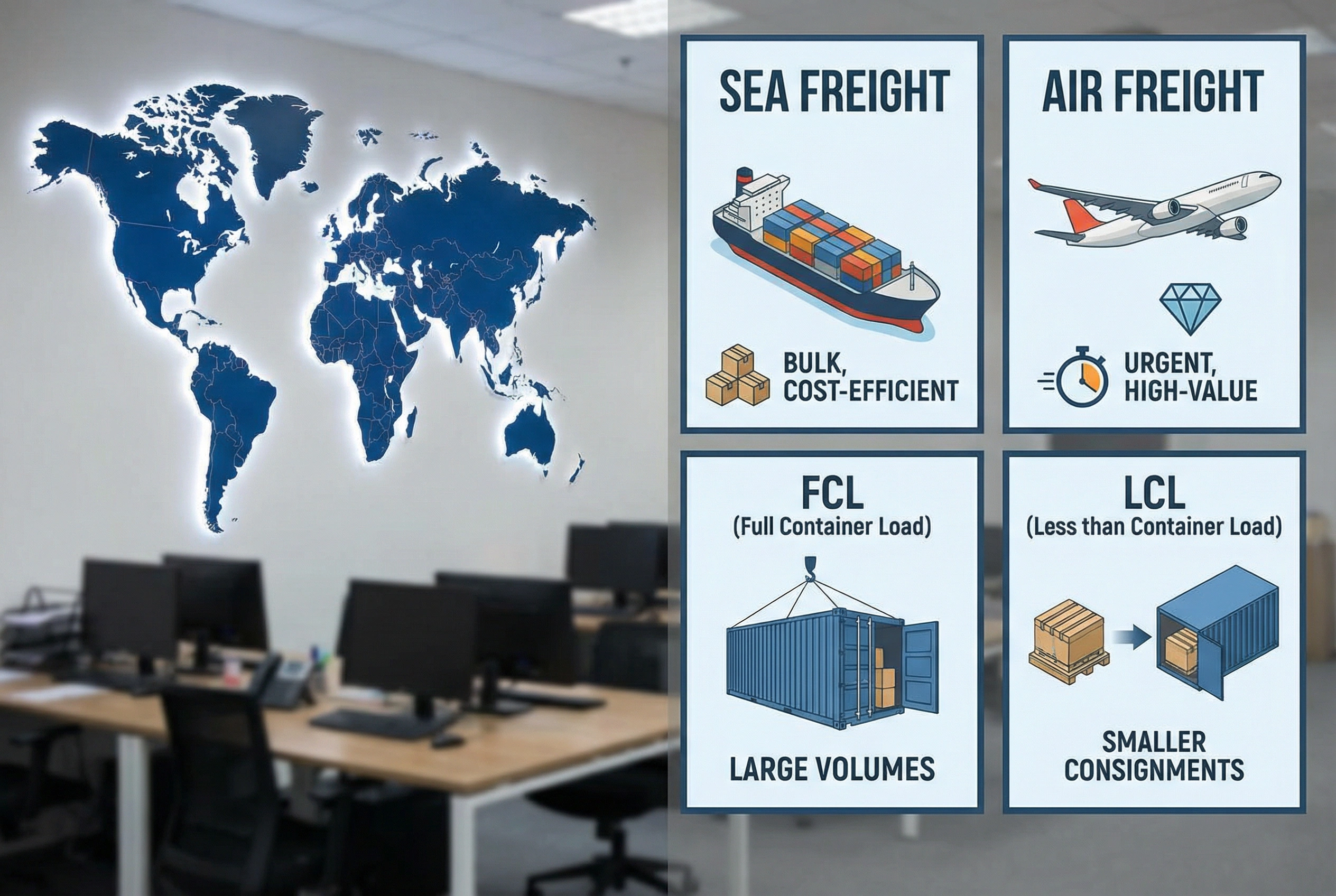
Selecting the correct freight option depends on urgency and volume.
-
Sea freight for bulk, cost-efficient shipments
-
Air freight for urgent or high-value orders
-
Full container load (FCL) for large volumes
-
Less than container load (LCL) for smaller consignments
Working with Reliable Logistics Partners
Experienced logistics partners provide:
-
Accurate documentation handling
-
Real-time shipment tracking
-
Faster customs clearance
-
Risk mitigation strategies
This reduces stress for exporters and buyers alike.
Table Section: Logistics Challenges vs Practical Solutions
| Logistics Challenge | Impact on Export | Practical Solution |
|---|---|---|
| High freight costs | Reduced margins | Optimize packaging & freight mode |
| Customs delays | Delivery setbacks | Accurate documentation & compliance |
| Moisture damage | Quality loss | Protective and moisture-proof packaging |
| Port congestion | Extended transit time | Flexible routing & planning |
| Handling damage | Customer complaints | Improved material handling practices |
Role of Technology in Modern Synthetic Leather Logistics
Digital Tracking & Supply Chain Visibility
Advanced tracking systems allow exporters and buyers to:
-
Monitor shipment status in real time
-
Anticipate delays
-
Improve delivery planning
Automation in Documentation & Compliance
Digital documentation reduces errors and speeds up customs clearance by minimizing manual processing.
Predictive Logistics & Demand Planning
Data-driven logistics helps exporters forecast demand and plan shipments more efficiently, reducing last-minute disruptions.
Logistics Considerations for Different Export Markets
Exporting Synthetic Leather to Europe
European markets demand strict environmental compliance and detailed documentation, especially related to chemical safety.
Exporting Synthetic Leather to North America
North American buyers focus on consistency, transit reliability, and clear labeling standards.
Exporting Synthetic Leather to Asia & Middle East
These regions often require faster delivery cycles and flexible shipping solutions due to high demand variability.
How Rock Uniquoters Addresses Logistics & Shipping Challenges
Rock Uniquoters, a trusted synthetic leather manufacturer, understands the complexities of global shipping. The company follows strict packaging standards to protect material quality during transit. With experience supplying international markets, Rock Uniquoters works closely with logistics partners to ensure timely deliveries and regulatory compliance. Its export-ready faux leather solutions are designed to meet the expectations of global buyers while minimizing shipping risks.
Why Is Logistics Critical in Synthetic Leather Export?
Logistics determines cost efficiency, delivery timelines, and product quality in international trade. In synthetic leather export, poor logistics planning can lead to shipment delays, quality damage, and regulatory issues. Reliable logistics ensures materials reach buyers in usable condition and on schedule.
Future Trends in Synthetic Leather Export & Logistics
Sustainable Shipping Practices
Eco-friendly packaging and optimized transport routes are becoming a priority for global buyers.
Nearshoring & Regional Warehousing
Many exporters are exploring regional warehouses to shorten delivery times and reduce logistics risks.
Smart Packaging Innovations
Improved packaging materials help protect synthetic leather during long transit periods while reducing waste.
Conclusion
Logistics plays a critical role in the success of synthetic leather export operations. From high shipping costs to regulatory compliance and transit risks, exporters face multiple challenges. However, with proper planning, reliable logistics partners, and smart packaging strategies, these issues can be managed effectively. Understanding these factors helps both exporters and buyers make informed decisions and maintain smooth global supply chains.
FAQs
1. What is the best shipping method for synthetic leather export?
Sea freight is ideal for bulk orders, while air freight suits urgent or high-value shipments.
2. How do exporters prevent damage during transit?
By using moisture-resistant packaging, proper roll protection, and careful container loading.
3. Are there special regulations for faux leather exports?
Yes, many countries require chemical safety, environmental, and labeling compliance.
4. How long does synthetic leather shipping usually take?
Transit time varies by destination, typically ranging from 2 to 6 weeks by sea.
5. Can logistics partners reduce export risks?
Experienced logistics partners help manage documentation, tracking, and compliance efficiently.