
04 April, 2026
Hospitality spaces today are designed to offer more than just comfort—they aim to create memorable experiences. From luxurious hotels to modern cafés, every design element plays a role in shaping how guests feel. Materials used in furniture and décor must balance aesthetics, durability, and practicality.
One material that has gained widespread acceptance is artificial leather for hospitality interiors. It provides the rich look of genuine leather while being more affordable and easier to maintain. Designers increasingly rely on this material to achieve a premium appearance without compromising functionality.
In this blog, we will explore how artificial leather is transforming hospitality spaces, where it is used, and why it continues to be a preferred choice in modern interior design.
What is Artificial Leather and Why is it Popular in Hospitality Design?
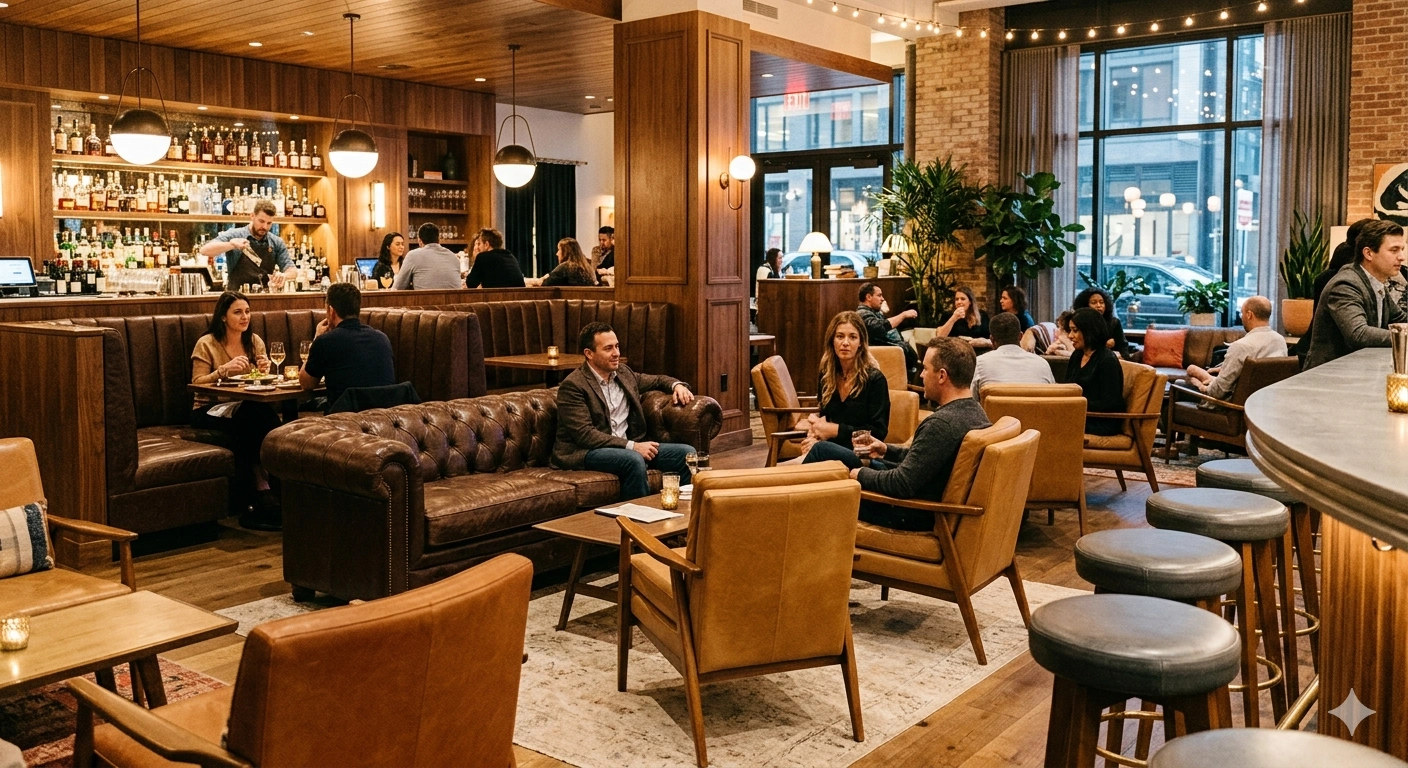
Artificial leather is a synthetic material created to replicate the texture and appearance of real leather. It is commonly manufactured using pvc leather, making it suitable for commercial applications.
Its popularity in hospitality design comes from its versatility. Unlike natural leather, it offers consistent quality, a wide range of finishes, and better resistance to moisture. These features make it a reliable option for high-traffic environments.
Additionally, materials like faux leather are available in various textures from matte to glossy allowing designers to match different themes and concepts effortlessly.
Why Do Hotels and Restaurants Prefer Artificial Leather Upholstery?
The hospitality industry requires materials that can withstand continuous use while maintaining their visual appeal. This is where faux leather upholstery and synthetic leather upholstery prove to be highly effective.
Durability for High-Traffic Areas
Seating in hotels and restaurants is used frequently. Synthetic options are designed to resist wear and tear, making them ideal for such environments.
Easy Maintenance
Spills and stains are common in hospitality settings. Surfaces made from artificial leather are easy to clean and maintain, ensuring hygiene and cleanliness.
Cost Efficiency
Compared to genuine leather, artificial alternatives offer a similar look at a much lower cost. This makes them suitable for large-scale interior projects.
Design Flexibility
With a wide range of colors and textures available, these materials enhance creativity in hotel interior design materials.
Where is Artificial Leather Used in Hospitality Interiors?
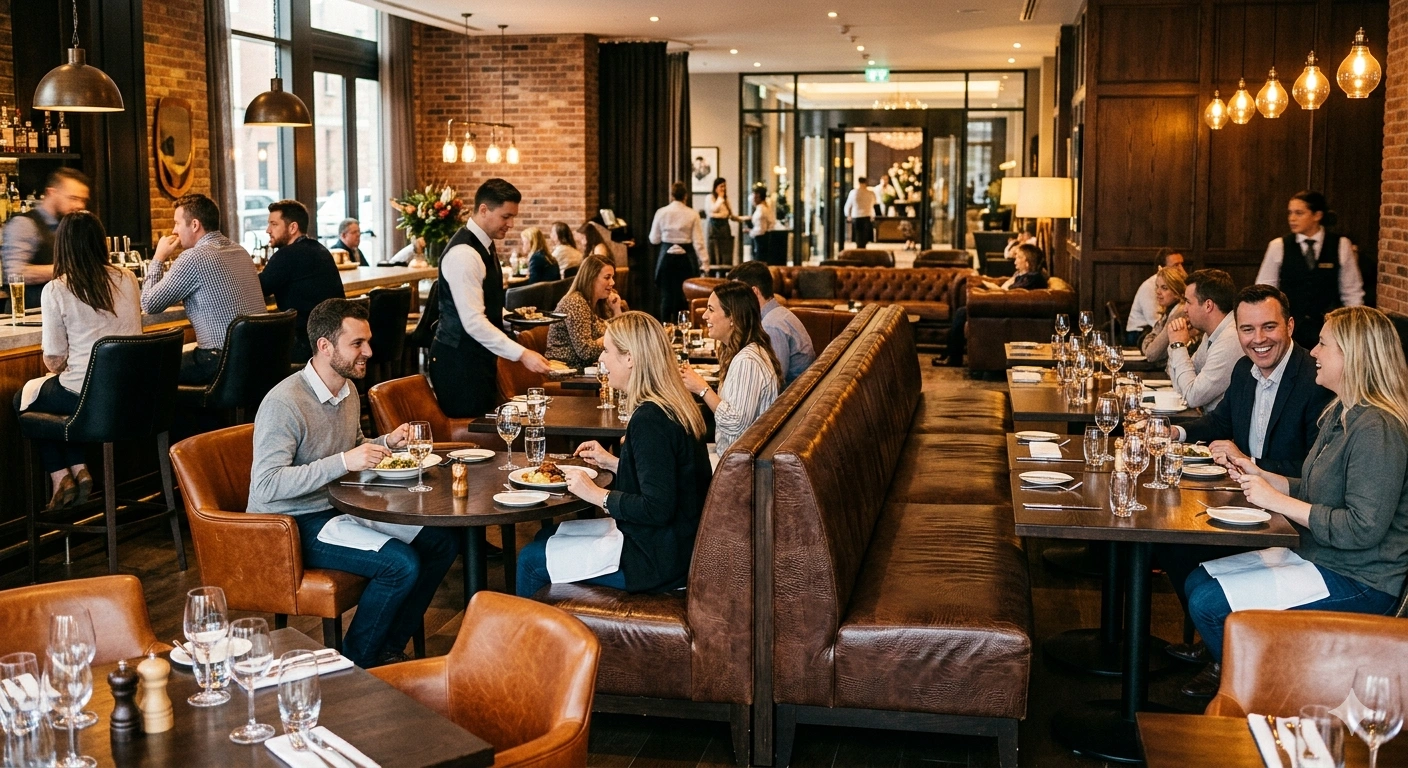
The applications of artificial leather for hospitality interiors are diverse and extend across multiple areas within a property.
Lobby Seating and Reception Areas
The lobby sets the tone for the entire guest experience. Designers often use artificial leather lobby sofas to create a welcoming and luxurious environment.
These sofas not only look elegant but also handle heavy usage effectively. Their easy-to-clean surface ensures they remain presentable at all times.
Guest Room Furniture
Guest rooms require a balance of comfort and style. Artificial leather is widely used in:
-
Headboards
-
Accent chairs
-
Ottomans
These elements contribute to a cohesive interior design while offering durability. The material also helps maintain uniformity across multiple rooms.
Restaurant and Cafe Seating
Dining areas demand materials that can resist spills and stains. This is where faux leather upholstery becomes especially useful.
Chairs and booths made with synthetic materials are:
-
Easy to wipe clean
-
Resistant to food spills
-
Long-lasting
Such features make them a preferred choice among designers working with hotel interior design materials.
Bar and Lounge Interiors
Bars and lounges focus on ambiance and comfort. Artificial leather is commonly used for:
-
Bar stools
-
Lounge seating
-
Wall accents
Its smooth finish adds sophistication while ensuring durability in high-use areas.
Conference and Meeting Rooms
Professional spaces within hotels require a polished appearance. Synthetic leather upholstery is often used for:
-
Office chairs
-
Conference seating
-
Decorative panels
This enhances comfort during long meetings while maintaining a refined look.
What Are the Key Benefits of Synthetic Leather Upholstery in Hospitality Spaces?
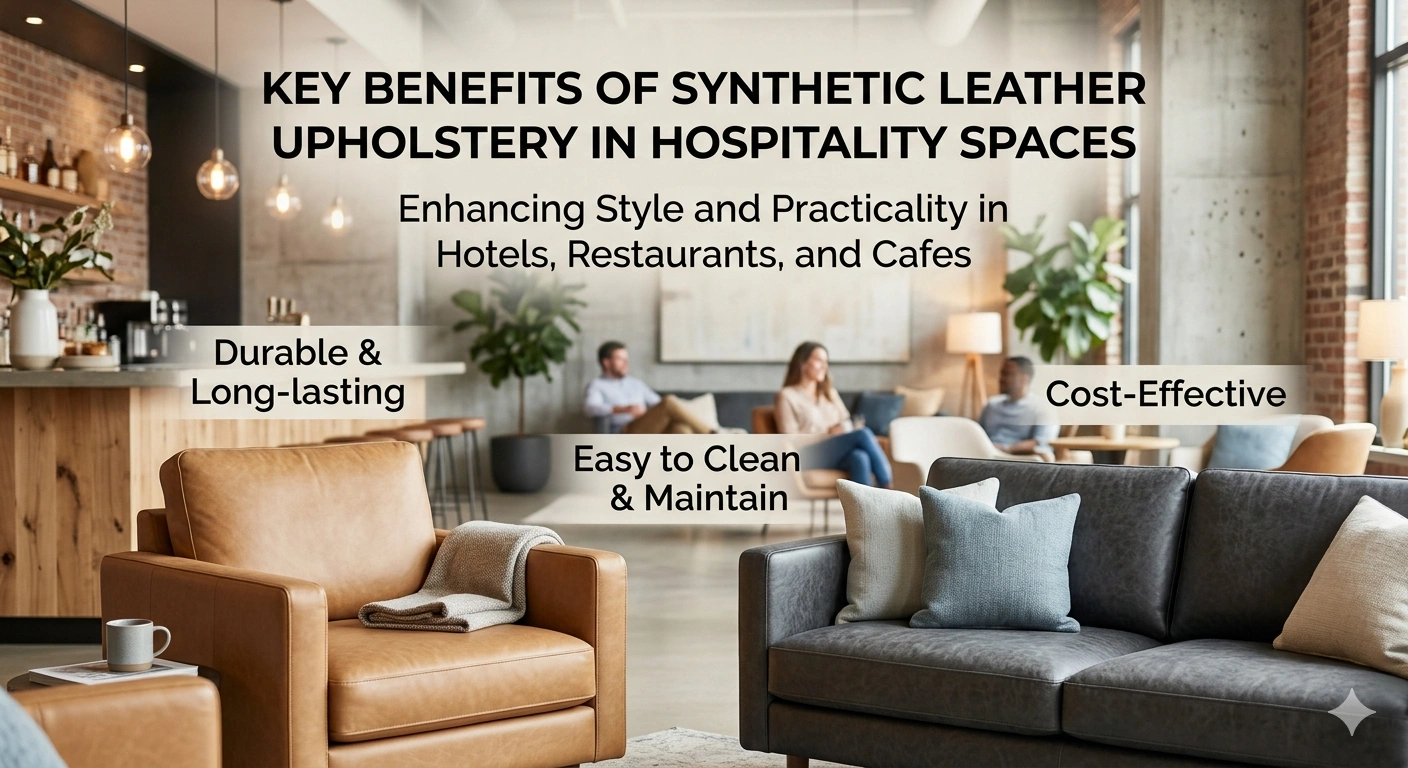
The growing popularity of synthetic leather upholstery is driven by several practical advantages.
Long-Lasting Performance
Artificial leather is designed for heavy-duty use, making it ideal for commercial environments.
Resistance to Moisture and Stains
Materials like pvc leather offer excellent resistance to water and spills.
Low Maintenance Requirements
Simple cleaning routines help maintain its appearance over time.
Budget-Friendly Option
Artificial leather reduces overall costs without compromising on quality.
Wide Range of Designs
From bold tones to subtle finishes, it supports diverse design concepts.
Consistent Quality
Unlike natural leather, synthetic options provide uniform texture and color.
Artificial Leather vs Genuine Leather: Which is Better for Hospitality Interiors?
Choosing between natural and synthetic materials depends on the project requirements.
|
Feature |
Artificial Leather |
Genuine Leather |
|
Cost |
Affordable |
Expensive |
|
Maintenance |
Easy |
High |
|
Durability |
High for commercial use |
Moderate |
|
Water Resistance |
Excellent |
Limited |
|
Design Options |
Wide variety |
Limited |
For most hospitality settings, artificial leather offers a more practical and cost-effective solution.
How to Choose the Right Artificial Leather for Hospitality Projects?
Selecting the right material is essential for long-term performance.
Understand the Usage Area
Different spaces require different specifications. For example:
-
Dining areas need stain resistance
-
Lounges require comfort-focused materials
Check Durability Ratings
Look for abrasion resistance and thickness.
Match the Design Theme
Choose textures and finishes that align with the overall concept.
Ensure Safety Standards
Fire resistance and eco-compliance are important considerations.
Work with Trusted Suppliers
Reliable suppliers ensure consistent quality in synthetic leather upholstery.
How Does Artificial Leather Enhance Guest Experience?
Guest satisfaction is influenced by comfort, cleanliness, and visual appeal.
Comfortable Seating: Artificial leather provides a smooth and pleasant surface.
Stylish Appearance: It enhances the overall design and creates a premium feel.
Easy Hygiene Maintenance: Quick cleaning ensures a clean environment for guests.
Design Consistency: Uniform finishes help maintain a cohesive look across spaces.
Why Choose Rock Uniquoters for Artificial Leather Solutions?
Rock Uniquoters is a trusted name in providing high-quality solutions for artificial leather for hospitality interiors, designed to meet the demands of modern hotels, restaurants, and commercial spaces. Their products are known for durability, stylish leather finishes, and long-lasting performance, making them ideal for high-traffic environments.
With strong expertise in synthetic leather upholstery, Rock Uniquoters offers a wide range of textures, colors, and customization options that align with evolving hotel interior design materials trends. Their focus on quality and consistency helps businesses create interiors that are both visually appealing and practical.
Common Mistakes to Avoid When Using Artificial Leather in Hospitality Interiors
Even though artificial leather is highly practical, certain mistakes should be avoided.
Using Low-Quality Materials: Poor-quality products may not perform well in high-traffic areas.
Ignoring Maintenance Needs: Basic care is essential to maintain durability.
Poor Design Choices: Incorrect colors or textures can affect the overall look.
Overuse Across Spaces: Using the same material everywhere can reduce design variety.
Get Best Quality Artificial Leather
Conclusion
The use of artificial leather for hospitality interiors has grown significantly due to its balance of style, durability, and affordability. It offers a practical solution for designers who want to create visually appealing spaces without exceeding budgets.
From artificial leather lobby sofas to dining chairs and conference seating, its applications are extensive. Materials like faux leather upholstery and pvc leather continue to redefine how hospitality interiors are designed.
By choosing the right materials and applying them thoughtfully, businesses can create environments that enhance guest experiences and stand the test of time.
FAQs
1. Is artificial leather suitable for hotel interiors?
Yes, it is widely used due to its durability and ease of maintenance.
2. How long does faux leather upholstery last?
High-quality options can last several years even in busy environments.
3. Is pvc leather good for restaurant seating?
Yes, it is resistant to spills and easy to clean, making it ideal for dining areas.
4. How do you maintain synthetic leather upholstery?
Regular wiping with a damp cloth and mild cleaner is sufficient.
5. Can artificial leather match luxury interiors?
Yes, modern finishes allow it to replicate the look of premium materials effectively.