
03 July, 2026
The world of interior design, furniture, automotive, fashion, and upholstery continues to evolve, and Leather Texture Trends are becoming one of the biggest design influences in 2026. Buyers are no longer looking for just durable materials—they also expect premium aesthetics, realistic finishes, sustainability, and customized designs.
Whether you are a furniture manufacturer, automotive supplier, interior designer, or importer, staying updated with the latest Leather Texture Trends can help you create products that meet changing market demands.
In this guide, we'll explore the top leather texture styles of 2026, the industries adopting them, and how choosing the right Leather Texture manufacturer can make a significant difference in product quality and customer satisfaction.
What Are Leather Textures?
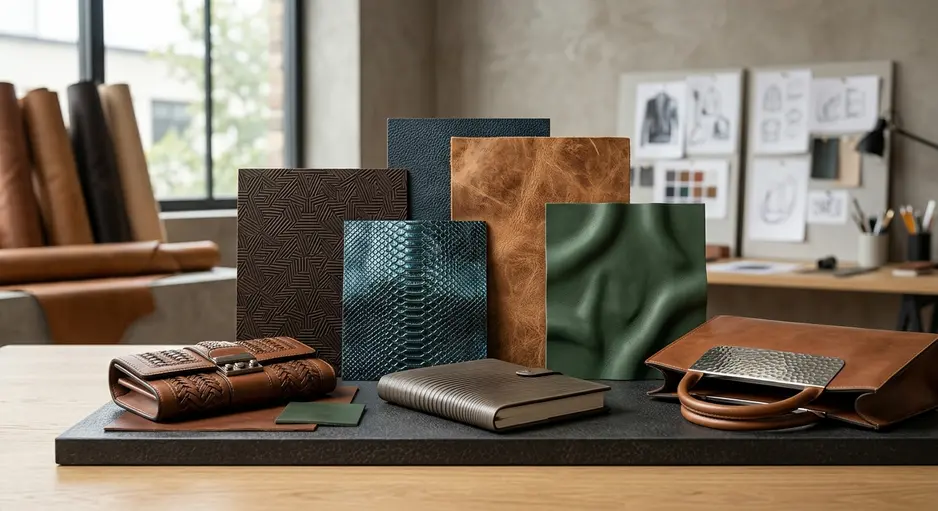
A leather texture refers to the visible surface pattern and feel of leather or synthetic leather. It determines not only the appearance of the material but also its tactile experience, durability, and suitability for different applications.
Modern Leather Texture technologies can closely replicate natural animal grain while also creating entirely new decorative finishes through advanced embossing techniques.
Today, manufacturers offer hundreds of texture patterns ranging from smooth and elegant to rugged and highly embossed designs.
Why Leather Texture Trends Are Changing in 2026
Several factors are reshaping Leather Texture Trends worldwide.
The biggest driver is sustainability. Consumers increasingly prefer eco-friendly materials that reduce environmental impact without compromising appearance.
Advanced manufacturing technologies now enable highly detailed embossing, making synthetic leather almost indistinguishable from genuine leather.
Customization has also become essential. Brands seek unique textures that help their products stand out in competitive markets.
Additionally, industries such as automotive, hospitality, healthcare, and luxury furniture demand textures that offer better scratch resistance, stain protection, and easier maintenance.
Top Leather Texture Trends to Watch in 2026
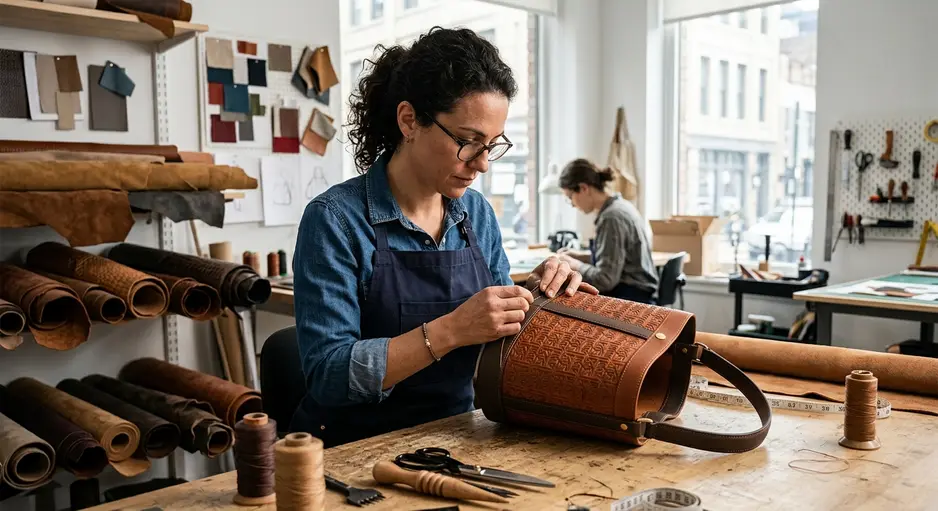
1. Natural Grain Leather Textures
Natural grain continues to dominate premium markets because it offers an authentic leather appearance with timeless appeal.
These textures remain highly popular for luxury furniture, handbags, premium seating, and executive office interiors.
2. Matte Finish Leather
Glossy finishes are gradually being replaced by sophisticated matte surfaces.
Matte leather textures provide a modern appearance while reducing visible fingerprints and improving everyday usability.
This style has become increasingly popular in luxury furniture and automotive interiors.
3. Vintage & Distressed Leather
Vintage-inspired designs continue gaining popularity among interior designers.
Distressed leather textures create a rich, handcrafted appearance that adds warmth and character to sofas, lounge chairs, hotels, restaurants, and cafés.
4. Exotic Embossed Patterns
Inspired by crocodile, snake, ostrich, and other exotic designs, embossed leather textures offer luxury without using exotic animal skins.
These textures remain a preferred choice for premium fashion accessories and decorative furniture.
5. Soft Touch Leather Texture
Consumers increasingly prioritize comfort.
Soft-touch leather Texture delivers a luxurious feel while maintaining durability, making it suitable for premium seating, recliners, office furniture, and vehicle interiors.
6. Metallic & Pearl Finish Leather
Metallic leather finishes continue expanding in luxury interior projects.
Gold, silver, bronze, and pearl finishes create eye-catching statement pieces for hospitality, retail, and decorative applications.
7. Carbon Fiber & Technical Patterns
Modern automotive and gaming furniture increasingly utilize technical leather textures inspired by carbon fiber and industrial materials.
These futuristic finishes appeal to younger consumers seeking bold contemporary designs.
8. Minimalist Smooth Leather
Minimalism continues influencing interior design worldwide.
Smooth leather textures with subtle grains complement Scandinavian, contemporary, and modern architectural styles.
Which Industries Are Using Trending Leather Textures?
The demand for innovative leather textures continues to grow across multiple industries.
Major applications include:
- Residential furniture
- Commercial furniture
- Automotive interiors
- Office seating
- Hospitality furniture
- Healthcare upholstery
- Marine seating
- Aviation interiors
- Footwear
- Handbags and accessories
- Interior decoration
Each industry selects textures based on durability, maintenance, comfort, and overall visual appeal.
How to Choose the Right Leather Texture for Your Products
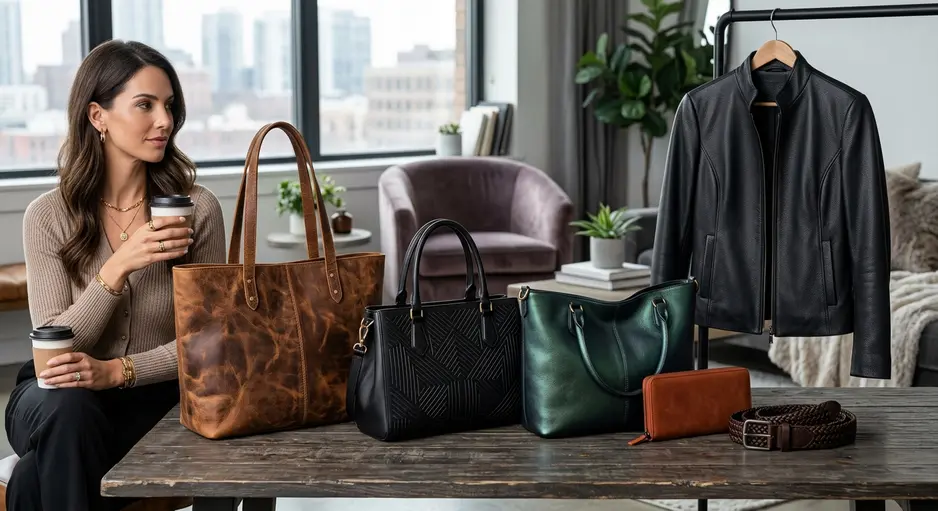
Choosing the ideal leather texture depends on several important considerations.
First, identify where the material will be used. Furniture requires different performance characteristics than automotive seating or fashion accessories.
Next, evaluate abrasion resistance, UV stability, water resistance, stain resistance, and cleaning requirements.
The desired aesthetic also plays an important role. Natural grain suits luxury products, while technical embossed patterns complement modern commercial spaces.
Working with an experienced Leather Texture supplier ensures you receive expert guidance for selecting textures that meet your performance and design goals.
Why Work with a Professional Leather Texture Manufacturer?
A reliable Leather Texture manufacturer provides much more than material production.
Professional manufacturers offer:
- Consistent embossing quality
- Extensive texture collections
- Custom pattern development
- Large-scale manufacturing
- International quality standards
- Color matching capabilities
- OEM and private label solutions
- Timely global deliveries
For international buyers, partnering with an experienced Leather Texture Exporter also ensures compliance with export regulations, packaging standards, and documentation requirements.
Choosing an established Leather Texture supplier helps reduce production risks while maintaining consistent product quality.
Future of Leather Texture Trends
Looking ahead, innovation will continue shaping Leather Texture Trends.
Manufacturers are investing in AI-assisted pattern development, recycled materials, water-based coatings, antimicrobial finishes, and sustainable embossing technologies.
Customization will remain a major competitive advantage as brands increasingly seek exclusive textures that reflect their identity.
These innovations will help manufacturers meet growing global demand while supporting environmentally responsible production practices.
Conclusion
The future of Leather Texture Trends is driven by innovation, sustainability, and premium design. From natural grains and matte finishes to soft-touch surfaces and technical embossed patterns, businesses have more options than ever to create products that stand out in competitive markets.
Whether you manufacture furniture, automotive interiors, fashion accessories, or commercial upholstery, selecting the right Leather Texture is essential for achieving both aesthetic appeal and long-term performance.
Partnering with an experienced Leather Texture manufacturer, trusted Leather Texture supplier, and reliable Leather Texture Exporter ensures consistent quality, customization, and dependable global supply. By staying ahead of emerging leather texture trends, businesses can confidently meet customer expectations and prepare for the evolving design landscape of 2026 and beyond.
FAQ Section
1. What is the most popular leather texture in 2026?
Natural grain, matte finish, soft-touch, and distressed leather textures are among the leading Leather Texture Trends in 2026 due to their premium appearance and versatility.
2. Which leather texture is best for furniture?
Soft-touch natural grain textures are widely preferred because they offer excellent comfort, durability, and visual appeal for residential and commercial furniture.
3. Is embossed leather more durable?
Embossing mainly enhances appearance. Durability depends on the material quality, coating technology, and manufacturing process rather than the embossed pattern itself.
4. How do I choose the right leather texture?
Consider your application, durability requirements, maintenance needs, design preferences, and target market. Working with an experienced manufacturer simplifies the selection process.
5. Are synthetic leather textures becoming more popular?
Yes. High-quality synthetic leather continues gaining market share because it offers excellent design flexibility, affordability, and sustainable manufacturing options.