
03 July, 2026
Vegan leather has quickly moved from a niche material to a mainstream choice across industries. From stylish sofas to car interiors and fashion accessories, this material offers a modern alternative to animal-based leather. It appeals to buyers looking for ethical sourcing, lower costs, and versatile performance.
In simple terms, vegan leather refers to any leather-like material made without animal hides. It includes synthetic options like PU and innovative plant-based materials. With rising awareness of sustainability, the demand for vegan leather material continues to grow in furniture, automotive, and interior design sectors. This guide explains what it is, how it’s made, its uses, and practical vegan leather maintenance & care tips.
What Is Vegan Leather Material?
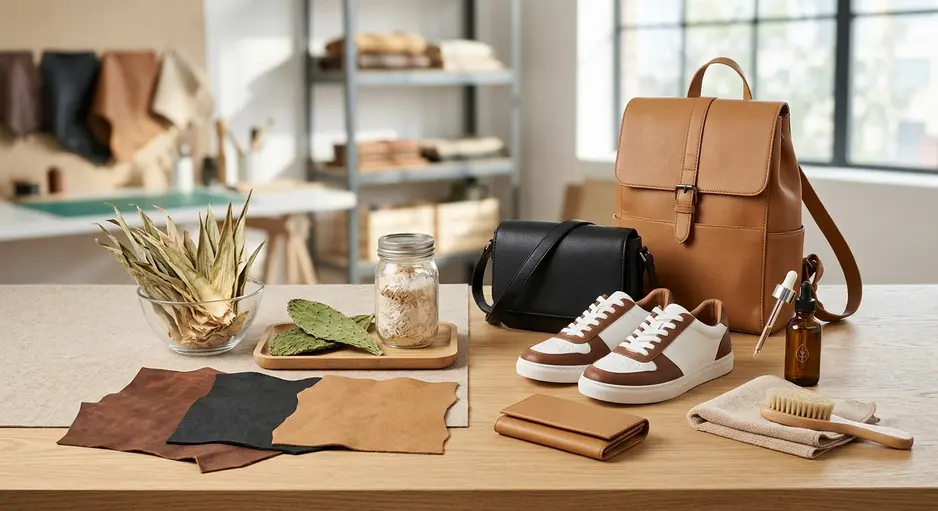
Vegan leather material is designed to replicate the look and feel of traditional leather without using animal products. It is often made using synthetic polymers or plant-based fibers. Unlike genuine leather, it does not require tanning animal hides, which reduces certain environmental and ethical concerns.
It is commonly called an eco friendly leather substitute, although the sustainability depends on the type of material used. While some options are fully synthetic, newer innovations focus on renewable and biodegradable sources.
How Vegan Leather Is Made
The production process varies depending on the material type. Here are the most common methods:
- PU Coating: A fabric base is coated with polyurethane to create a smooth, leather-like surface.
- Microfiber Technology: Ultra-fine synthetic fibers are tightly packed to mimic the structure of real leather.
- Plant-Based Innovations: Materials like pineapple leaves, cork, and mycelium are processed into flexible sheets.
Vegan Leather vs Real Leather: Key Differences
- Durability: High-quality microfiber can match real leather, while basic PU may wear faster.
- Cost: Vegan options are usually more affordable and consistent in pricing.
- Maintenance: Easier to clean and does not require conditioning oils.
- Environmental Impact: Mixed results depending on whether materials are synthetic or plant-based.
Types of Vegan Leather Materials
There are several vegan leather material types available today, each suited for different applications.
PU Vegan Leather (Most Common)
PU is widely used due to its flexibility and cost efficiency. It offers a smooth finish and is often waterproof, making it suitable for furniture and accessories.
PU vegan leather roll price varies based on thickness and quality, usually falling in an affordable mid-range compared to real leather.
Microfiber Vegan Leather
This is a premium option known for strength and breathability. Microfiber vegan leather for automotive interiors is popular because it resists wear and provides a soft touch.
PVC Leather (Less Sustainable Option)
PVC is durable and water-resistant but less eco-friendly. It is often used in heavy-duty applications but is gradually being replaced by better alternatives.
Plant-Based Alternatives
- Pinatex pineapple leather: Made from pineapple leaf fibers
- Mushroom leather mycelium: Grown from fungi structures
- Cork vegan leather sheets bulk: Harvested from cork oak bark
These sustainable vegan leather alternatives are gaining attention for their reduced environmental impact.
Vegan Leather Uses Across Industries
The versatility of vegan leather uses makes it suitable for many sectors.
Vegan Leather for Furniture Design
Used in sofas, chairs, and headboards, upholstery grade vegan leather offers durability and easy maintenance.
Vegan Leather Uses in Interior Design
Interior designers use it for wall panels, decorative accents, and custom furniture pieces.
Automotive Industry Applications
Automotive grade PU leather alternatives are widely used in car seats and trims due to their resistance to wear.
Fashion & Accessories
Bags, belts, wallets, and shoes often use vegan leather for style and affordability.
Commercial & Wholesale Uses
Manufacturers source wholesale faux leather rolls for large-scale production across industries.
How Durable Is Vegan Leather?
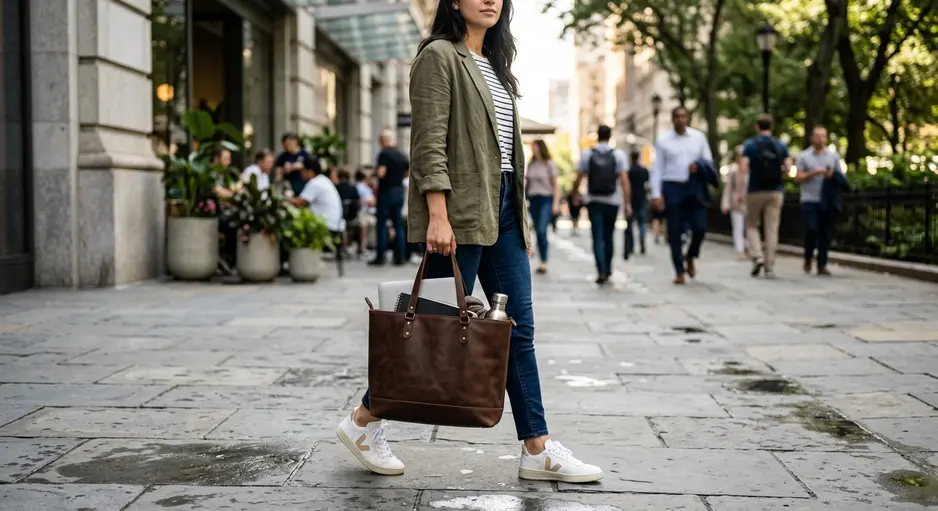
Durability depends on the type and quality of material used. Not all vegan leather performs the same.
Vegan Leather Durability Comparison
- PU: Moderate durability
- Microfiber: High durability and long lifespan
- Plant-based: Improving but varies widely
Waterproof & Wear Resistance
Most waterproof vegan leather fabric resists spills and stains, making it ideal for daily use.
Common Problems (Peeling, Cracking)
Peeling can occur due to poor quality or lack of care. Proper maintenance reduces these risks.
Vegan Leather Maintenance & Care Tips
Good care extends the life of vegan leather and keeps it looking fresh.
Daily & Weekly Care Routine
- Wipe with a soft, dry cloth
- Remove dust regularly
- Avoid sharp objects that may scratch the surface
Cleaning Guide for Faux Leather
For deeper cleaning, use a mild soap solution. This method works well if you're wondering how to clean vegan leather sofa surfaces safely.
- Mix water with gentle soap
- Use a soft cloth to wipe
- Dry immediately to prevent moisture damage
Vegan Leather Care and Storage Guide
- Keep away from direct sunlight
- Avoid high heat exposure
- Store in a cool, dry place
How to Restore Peeling Faux Leather
Minor peeling can be fixed using repair kits, but severe damage may require replacement.
How to Choose the Best Vegan Leather
Selecting the right material depends on your intended use and quality expectations.
Best Vegan Leather for Upholstery
- Check thickness and backing fabric
- Look for abrasion resistance ratings
- Ensure flexibility and softness
Certifications & Quality Checks
Choose certified cruelty free leather alternatives that meet safety and durability standards.
Sustainable Vegan Leather Alternatives
Look for materials with transparent sourcing and reduced environmental impact.
Where to Buy Vegan Leather Material in India
Vegan Leather Manufacturers India
Choose manufacturers that offer consistent quality, customization, and reliable supply chains.
Vegan Leather Suppliers Wholesale
Bulk buyers should focus on MOQ, pricing flexibility, and product range.
Vegan Leather Exporters India
Exporters should provide international shipping support and quality assurance.
Buy Vegan Leather Material Online India
You can explore trusted sources like Rock uniquoters to buy vegan leather material online in India with multiple options for commercial and design needs.
Vegan Leather Trends 2026
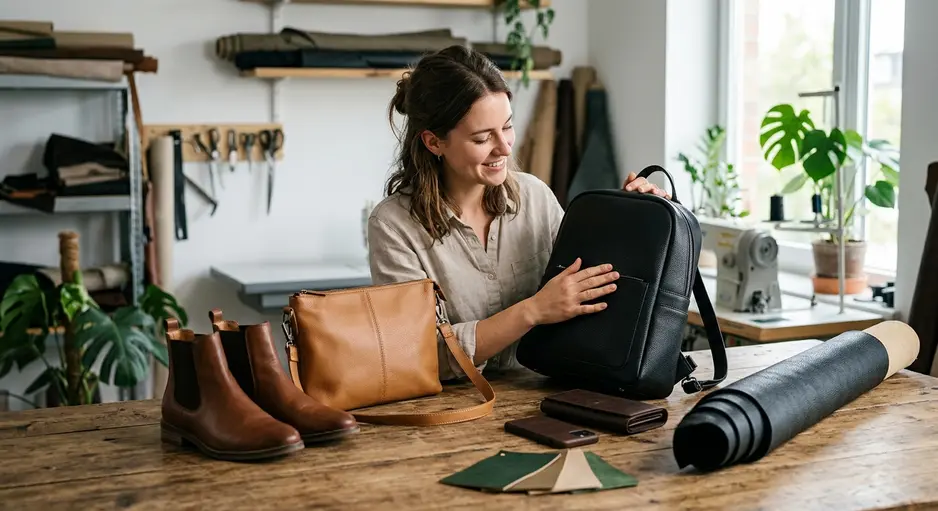
Rise of Bio-Based Materials
Materials like mycelium and plant fibers are shaping the future of leather alternatives.
Demand in Automotive & Interiors
Growth in sustainable interiors continues to drive adoption across industries.
Performance Improvements
New innovations are improving durability and making maintenance easier.
Conclusion
Vegan leather continues to evolve as a practical and stylish alternative to traditional leather. With multiple material types, wide-ranging applications, and simple maintenance needs, it fits well across furniture, automotive, and fashion industries. Understanding its properties, uses, and care methods helps you make better choices and extend product life.
Whether you need upholstery-grade materials or bulk supply for manufacturing, choosing high-quality vegan leather ensures long-term value. Explore trusted suppliers and stay updated with emerging trends to make the most of this versatile material.
FAQs
1. What is vegan leather made of?
It is made from synthetic materials like PU or natural sources like plants and fibers.
2. Is vegan leather environmentally friendly?
Some types are, especially plant-based options, but synthetic versions may have environmental trade-offs.
3. What is the best vegan leather material type?
Microfiber is often considered the best for durability and performance.
4. Is microfiber vegan leather better than PU?
Yes, it is generally more durable and breathable.
5. Is vegan leather better than real leather?
It depends on the use. Vegan leather is more affordable and easier to maintain, while real leather may last longer in some cases.
6. Is vegan leather waterproof?
Most synthetic types are water-resistant or fully waterproof.