
03 July, 2026
Healthcare spaces today demand more than comfort and durability. Infection control has become a top priority across hospitals, clinics, labs, and dental centers. Materials used in furniture and equipment must actively reduce contamination risks while staying easy to maintain. This is where anti-microbial synthetic leather plays a key role.
Designed to resist bacterial growth and support strict hygiene standards, anti-microbial synthetic leather for healthcare industry applications is gaining rapid demand. From hospital beds to waiting area seating, this material helps create safer environments for both patients and staff. As healthcare infrastructure expands worldwide, the shift toward hygienic upholstery materials is not just a trend—it’s a necessity.
What is Anti-Microbial Synthetic Leather?
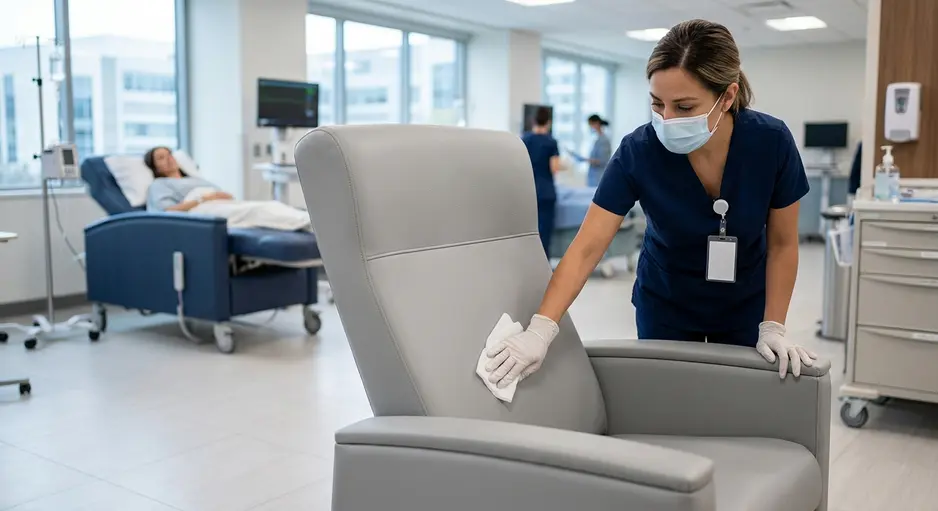
Anti-microbial synthetic leather is a specially engineered material made from PU or PVC, treated with antimicrobial agents that prevent the growth of bacteria, fungi, and other microorganisms. Unlike standard synthetic leather, it offers built-in protection rather than relying only on surface cleaning.
This material is widely used in environments where hygiene cannot be compromised. It combines durability with advanced coating technologies, making it ideal for healthcare applications.
Infection Resistant Synthetic Leather for Healthcare
Infection resistant synthetic leather works through embedded antimicrobial technologies. These often include:
- Silver ion technology that disrupts microbial cell functions
- Biocidal additives that inhibit bacterial growth
- Protective coatings that prevent surface contamination
Unlike temporary disinfectants, these features offer long-term protection. This makes them suitable for high-contact healthcare furniture upholstery materials antimicrobial solutions.
Types of Medical Grade Synthetic Leather
Different types of synthetic leather serve healthcare needs based on performance and cost.
- PU leather: Soft, flexible, and eco-friendlier, ideal for patient comfort
- PVC leather: Highly durable and resistant to harsh cleaning chemicals
- Antimicrobial vinyl leather for clinics and labs: Preferred for heavy-duty use
When comparing vinyl vs PU antimicrobial leather healthcare options, PU offers better comfort while vinyl excels in durability and chemical resistance.
Why the Healthcare Industry is Driving Demand
The demand for antimicrobial materials is rising due to increasing awareness around hospital-acquired infections (HAIs). Healthcare facilities must meet strict safety standards, and traditional materials often fall short.
As a result, decision-makers are shifting toward materials that actively reduce contamination while remaining cost-effective over time.
Hygienic Upholstery Materials for Hospitals
Hospitals require non porous upholstery for infection control. Materials that absorb moisture or harbor bacteria are no longer acceptable.
- Easy clean medical grade synthetic leather reduces cleaning time
- Non-porous surfaces prevent bacterial penetration
- Stain resistant synthetic leather for medical furniture improves lifespan
These features make antimicrobial hospital seating material a smart long-term investment.
Growth Trends and Market Demand
The global healthcare sector is expanding rapidly, especially in regions like the USA, UK, UAE, and India. This growth is driving demand for healthcare interior design materials antimicrobial solutions.
- USA: Focus on compliance and patient safety
- UK: Emphasis on modern healthcare interiors
- UAE: High demand for premium medical infrastructure
- India: Rising exports of medical grade materials
This trend supports the growth of export quality antimicrobial synthetic leather India suppliers.
Key Applications in Healthcare Settings
Anti-microbial synthetic leather is widely used across different healthcare environments due to its versatility and performance.
Hospital Furniture and Bed Upholstery
Hospital beds, examination tables, and seating require durable and hygienic materials. A reliable hospital bed upholstery antimicrobial leather supplier ensures consistent quality for such applications.
- Durable PU leather for hospital environments
- Resistance to frequent cleaning and disinfectants
- Long-lasting performance in high-use areas
Medical Equipment Upholstery
Medical equipment often includes padded surfaces that need antimicrobial protection. Antibacterial faux leather for medical equipment upholstery is widely used due to its safety and ease of cleaning.
- FDA compliant synthetic leather medical applications
- Smooth surfaces for quick sanitization
- Compatibility with strict hygiene protocols
Clinics, Labs, and Dental Chairs
Smaller healthcare setups also benefit from antimicrobial surface materials for clinics. Dental chairs, lab seating, and examination chairs require materials that are both comfortable and hygienic.
- Antimicrobial leather for dental chairs manufacturers
- Antimicrobial vinyl leather for clinics and labs
- Stain and fluid resistance
Benefits of Anti-Microbial Synthetic Leather
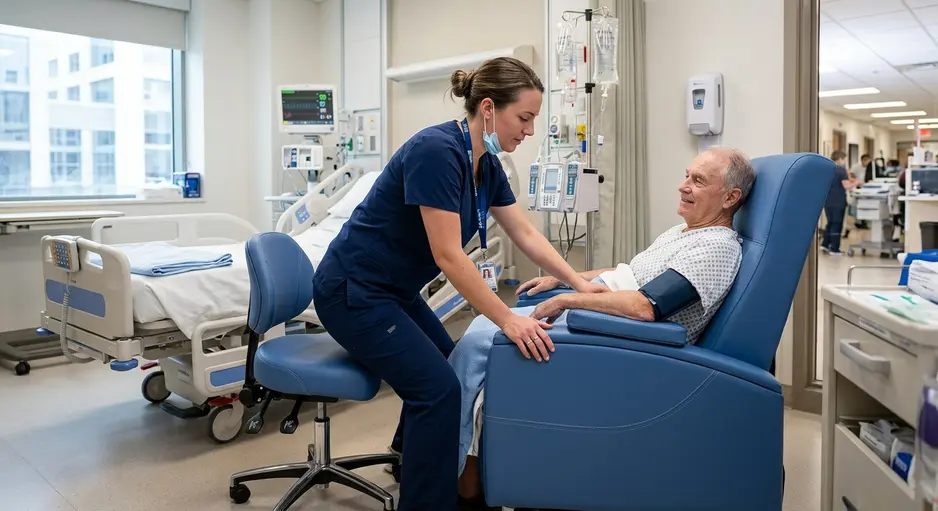
Infection Control and Patient Safety
The biggest advantage is reduced microbial growth. This directly supports infection control measures and enhances patient safety in healthcare settings.
Durability and Easy Maintenance
Healthcare environments demand materials that can withstand constant use and cleaning.
- Easy clean medical grade synthetic leather reduces maintenance effort
- Resistant to stains, spills, and disinfectants
- Long service life compared to traditional fabrics
Fire Safety and Compliance
Fire retardant antimicrobial synthetic leather hospital use is essential for meeting safety standards.
- Compliance with healthcare regulations
- ISO certified antimicrobial synthetic leather supplier ensures quality assurance
- Suitable for critical environments like ICUs
Sustainability Considerations
Sustainable antimicrobial synthetic leather healthcare options are gaining attention. PU-based materials are often considered more eco-friendly than traditional leather.
- Reduced environmental impact
- Long lifecycle reduces waste
- Alternatives to animal-based materials
Choosing the Right Antimicrobial Synthetic Leather Supplier
What to Look for in a Supplier
Selecting the right supplier is crucial for quality and compliance.
- ISO certified antimicrobial synthetic leather supplier
- Compliance with FDA, REACH, and RoHS standards
- Consistent product quality and testing reports
Bulk Purchasing for Hospitals
Hospitals often require large quantities of materials. Wholesale antimicrobial synthetic leather rolls for hospitals offer cost efficiency.
- Hospital furniture antimicrobial leather material bulk availability
- Uniform quality across batches
- Cost-effective sourcing for large projects
Global Sourcing Insights
Global trade plays a key role in meeting healthcare demand.
- Export quality antimicrobial synthetic leather India suppliers serve global markets
- Medical synthetic leather exporter India to UAE supports infrastructure growth
- Healthcare upholstery antimicrobial leather supplier USA and UK focus on compliance
Companies like Rock Uniquoters provide antimicrobial PU leather for healthcare industry bulk requirements with export-ready quality and customization options.
Best Practices for Healthcare Interior Design Using Antimicrobial Leather
Healthcare Interior Antimicrobial Leather Solutions UK & Global
Modern healthcare design integrates antimicrobial materials into every touchpoint, from seating to wall panels. This approach improves hygiene without compromising aesthetics.
Material Selection Tips
- Choose non porous upholstery for infection control
- Balance comfort and durability
- Ensure compliance with healthcare standards
Healthcare furniture upholstery materials antimicrobial choices should match the intensity of use and cleaning frequency.
Maintenance and Lifecycle Optimization
Proper care extends the life of antimicrobial materials.
- Use approved cleaning agents
- Follow regular cleaning schedules
- Avoid harsh chemicals that damage coatings
Real-World Use Cases and Industry Insights
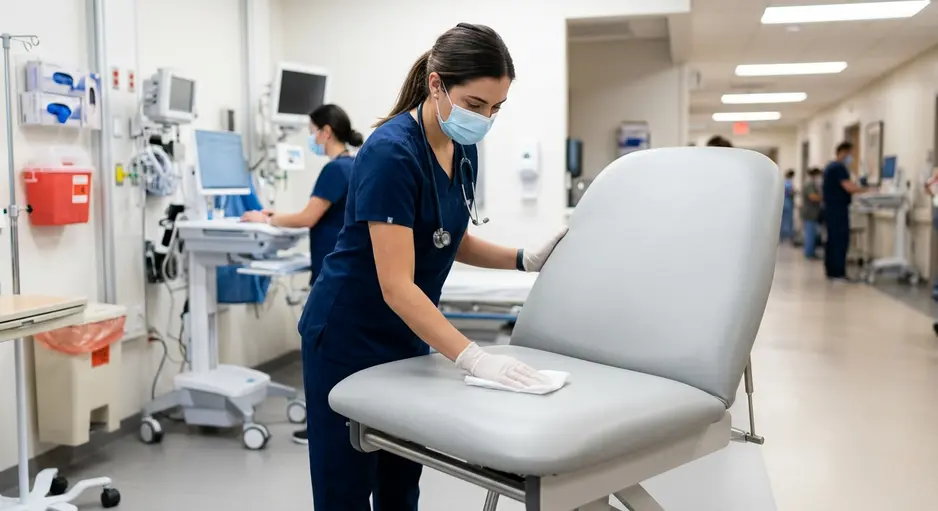
Hospitals Upgrading to Antimicrobial Seating
Many hospitals have replaced fabric seating with antimicrobial alternatives. This shift has improved hygiene and reduced maintenance costs over time.
Clinics Switching to Non-Porous Upholstery
Clinics benefit from easy-to-clean materials that prevent contamination. Though initial costs may be slightly higher, long-term savings and hygiene benefits outweigh them.
Manufacturer Perspective
Manufacturers like Rock Uniquoters are focusing on innovation in antimicrobial PU leather for healthcare industry bulk supply. Their products cater to global markets, offering customization, durability, and compliance with healthcare standards.
Buy Anti-Microbial Synthetic Leather
Conclusion
The healthcare industry continues to prioritize hygiene, safety, and durability in every aspect of design. Anti-microbial synthetic leather has emerged as a reliable solution that meets these demands while offering long-term value. From infection control to easy maintenance, its benefits make it a preferred choice across hospitals and clinics.
As demand grows globally, sourcing from experienced suppliers becomes essential. Companies like Rock Uniquoters provide anti-microbial synthetic leather for healthcare industry applications with consistent quality and export capabilities. Choosing the right material today helps create safer, more efficient healthcare environments for the future.
FAQ
1. What is antimicrobial synthetic leather used for in hospitals?
It is used in hospital beds, seating, medical equipment upholstery, and wall panels to reduce bacterial growth and improve hygiene.
2. Is antimicrobial synthetic leather FDA compliant?
Many products are designed to meet FDA and other regulatory standards, depending on the manufacturer.
3. Can antimicrobial leather be used in ICU environments?
Yes, especially fire retardant and medical-grade variants designed for critical care settings.
4. Is antimicrobial synthetic leather environmentally friendly?
PU-based options are generally more sustainable than traditional leather and reduce waste over time.
5. Is antimicrobial PU leather safe for medical use?
Yes, when manufactured to meet regulatory standards, it is safe and widely used in healthcare environments.
6. How does antimicrobial leather prevent infections?
It contains agents that inhibit microbial growth, reducing contamination on frequently touched surfaces.
7. What is the difference between antimicrobial vinyl and PU leather?
Vinyl is more durable and chemical-resistant, while PU offers better comfort and flexibility.