
02 June, 2026
The automotive world is changing fast, and materials play a big role in that shift. One material that stands out today is synthetic leather. It has moved from being a budget alternative to becoming a preferred choice for many car manufacturers. From premium interiors to everyday vehicles, its use is growing across segments.
In this guide, we’ll explore the top applications of synthetic leather for automotive industry, the types available, and how manufacturers are using it to improve comfort, durability, and design.
Why Synthetic Leather Is Transforming Automotive Interiors
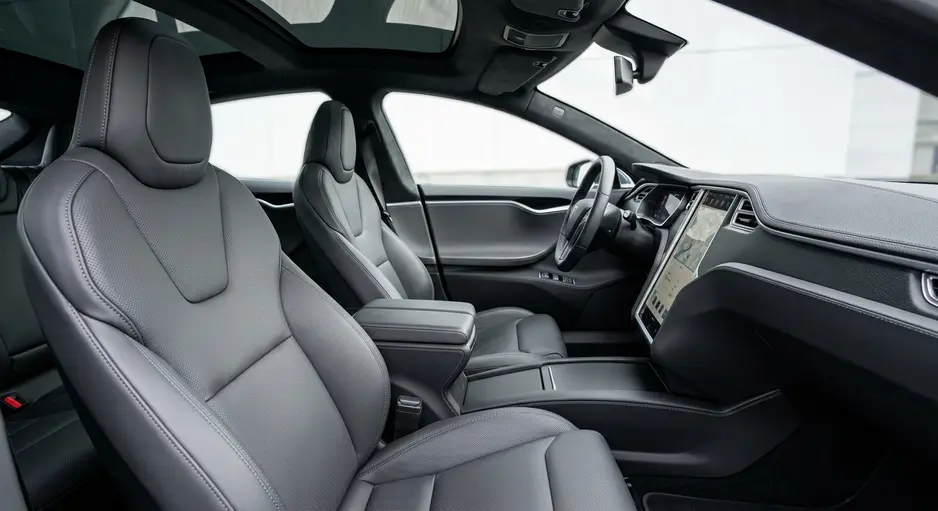
Traditional leather once defined luxury in cars. Today, synthetic alternatives are redefining it. The rise of vegan leather car seats and eco-conscious buyers has pushed automakers to rethink materials.
- Sustainability: Synthetic options reduce reliance on animal-based products.
- Cost efficiency: Easier to produce at scale compared to natural leather.
- Consistency: Uniform texture and color across batches.
- Low maintenance: Easier to clean and maintain.
PU and PVC-based materials dominate the market, while microfiber variants are gaining traction in luxury segments. These materials are now standard in many OEM auto upholstery materials.
Types of Synthetic Leather Used in Automotive Industry
PU Leather for Automotive Interiors
PU leather for automotive interiors is known for its soft feel and flexibility. It closely mimics genuine leather, making it ideal for premium applications.
- Used in car seat cover materials
- Smooth texture with breathable properties
- Common in passenger vehicles and luxury trims
PVC Synthetic Leather Automotive Upholstery
PVC synthetic leather automotive upholstery is valued for toughness. It performs well in demanding conditions.
- Waterproof synthetic leather for cars
- Ideal for commercial vehicles and heavy use
- Resistant to stains and wear
Microfiber Synthetic Leather Automotive
This is a high-end material often seen in luxury cars. It offers excellent durability and comfort.
- High abrasion resistance
- Breathable and lightweight
- Often used as automotive grade PU leather alternative
Synthetic Suede for Car Interiors
Synthetic suede for car interiors adds a premium look and feel. It is widely used in design-focused applications.
- Headliners and door panels
- Soft-touch interior trims
- Enhances aesthetic appeal
Key Applications of Synthetic Leather in Cars
Synthetic Leather for Car Seats
Synthetic leather for car seats is one of the most common uses. It offers a balance of comfort and durability.
- Resistant to spills and stains
- Easier to clean than real leather
- Available in various textures and finishes
Compared to genuine leather, it is more affordable and consistent, making it ideal for mass production.
Synthetic Leather for Steering Wheels
Synthetic leather for steering wheels improves grip and comfort.
- Sweat-resistant surface
- Enhanced driving control
- Long-lasting wear performance
Automotive Interior Trim Materials
Many automotive industry trim materials now use synthetic alternatives.
- Door panels and dashboards
- Armrests and console covers
- Custom synthetic leather automotive trims
These materials help create a cohesive and modern interior design.
Headliners, Flooring, and Accessories
PVC coated fabric for car interiors is widely used in supporting components.
- Floor coverings and mats
- Headliners and side panels
- Waterproof and flame-retardant automotive synthetic leather
What Makes Synthetic Leather Ideal for Automotive Use?
Durability and Heat Resistance
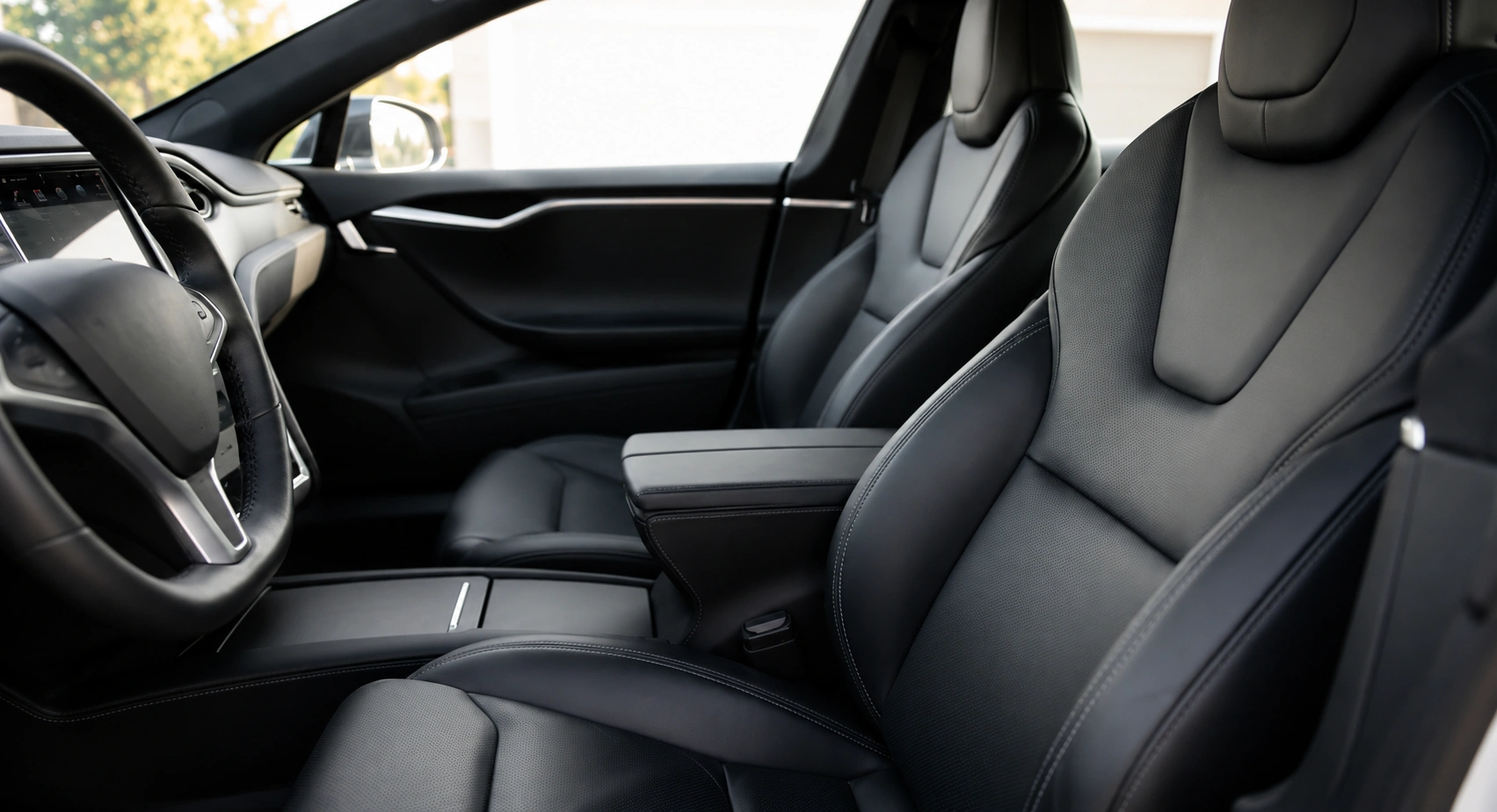
Durable synthetic leather for cars is designed to handle extreme conditions.
- Heat-resistant synthetic leather automotive interiors
- UV resistance prevents fading
- Maintains structure over time
Eco-Friendly and Sustainable Alternatives
Eco-friendly synthetic leather automotive solutions are gaining popularity.
- Reduced environmental impact
- No animal-based raw materials
- Supports sustainable manufacturing trends
Design Versatility
One of the biggest advantages is customization. Manufacturers offer wide synthetic leather color and texture options for cars.
- Embossed patterns and finishes
- Perforated surfaces for ventilation
- Custom designs for OEM requirements
How to Choose the Best Synthetic Leather for Automotive Upholstery
Key Factors to Consider
- Thickness and backing fabric strength
- Abrasion resistance for long-term use
- Compliance with flame retardant automotive synthetic leather standards
Matching Material to Application
Different parts of a car require different materials.
- Seats: Soft and breathable materials
- Steering wheels: Grip-focused textures
- Trims: Decorative yet durable finishes
OEM vs Aftermarket Requirements
- Large roll synthetic leather for OEMs ensures consistency in bulk production
- Wholesale synthetic leather for auto manufacturers supports cost efficiency
- Aftermarket products focus more on customization
Role of Synthetic Leather Manufacturers in India
Why India Is a Global Hub
Synthetic leather manufacturers India are known for their production scale and quality.
- Competitive pricing
- Advanced manufacturing capabilities
- Wide product range for automotive use
Synthetic Leather Export from India
Synthetic leather export from India continues to grow due to global demand.
- Export synthetic leather suppliers India meet international standards
- Strong logistics and supply chain networks
- Trusted source for OEM auto upholstery materials
Choosing the Right Automotive Synthetic Leather Supplier
Working with a reliable automotive synthetic leather supplier is essential. Companies like Rock Uniquoters provide tailored solutions for automotive applications, including bulk supply and custom finishes.
- Check certifications and quality standards
- Look for customization capabilities
- Ensure consistent supply for large orders
Future Trends in Automotive Synthetic Leather

Rise of Bio-Based and Vegan Materials
The demand for eco-friendly synthetic leather automotive solutions is rising. Bio-based materials are expected to shape the next phase of innovation.
Smart and Functional Materials
Advanced features are being added to materials.
- Anti-microbial surfaces
- Temperature-regulating properties
- Enhanced durability for long-term use
Integration with Automotive Interior Design Materials India
Indian manufacturers are playing a key role in global supply chains, offering innovative automotive interior design materials in India that meet modern design expectations.
Buy Premium Automotive Interior Leather
Conclusion
The growing demand for synthetic leather for automotive industry shows no signs of slowing down. From seats and steering wheels to trims and headliners, its applications are wide and evolving. With benefits like durability, cost efficiency, and design flexibility, it has become a core material in modern automotive design.
As innovation continues, choosing the best synthetic leather for automotive upholstery in 2026 will depend on performance, sustainability, and supplier reliability. For manufacturers and buyers alike, this material offers a future-ready solution for automotive interiors.
FAQs
1. Can synthetic leather replace genuine leather in luxury cars?
Yes, many luxury brands now use high-end synthetic options like microfiber leather for premium interiors.
2. What is automotive grade PU leather?
It is a high-quality material designed specifically for vehicles, offering durability, flexibility, and comfort.
3. Is synthetic leather waterproof and heat resistant?
Most variants, especially PVC-based ones, are waterproof and designed to handle high temperatures.
4. What is the best synthetic leather for automotive upholstery?
The best option depends on the application. PU leather is preferred for comfort, while microfiber offers premium durability. PVC works well for heavy-duty use.
5. Is synthetic leather durable for car seats?
Yes, modern synthetic leather uses include highly durable seat materials that resist wear, stains, and UV exposure.
6. What is the difference between PU and PVC synthetic leather?
PU leather is softer and more flexible, while PVC is tougher and more water-resistant. Each serves different automotive needs.
7. How long does synthetic leather last in vehicles?
With proper care, it can last several years, often matching or exceeding the lifespan of traditional leather in daily-use vehicles.